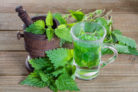
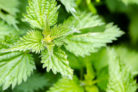
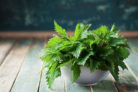
When most people think of stinging nettles, they think of that annoying itch you get after a stray brush against the leaves. Usually, your nose doesn’t have much to worry about—until you decide to make nettle tea (or “jauche”). Let’s just say this liquid fertilizer earns its name for a reason! But despite the smell, nettle tea is a total game-changer for your garden.
Gathering Your Nettles
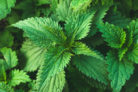
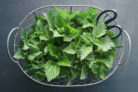
To get started, you’ll need about two pounds of fresh stinging nettles. You can usually find these growing wild along forest edges, riverbanks, or tucked away in overgrown meadows where you can pick them. Just a heads-up: safety first! Wear long sleeves, sturdy pants, and thick, waterproof gloves to avoid those nasty stings.
Brewing the Tea
Once you’ve harvested your nettles, here’s how to get the brew going:
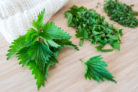
- Chop the nettles into smaller pieces.
- Fill a large bucket or container with about 2.5 gallons of water.
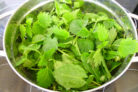
- Toss the nettles in, making sure they are completely submerged.
- Place the container in a far corner of your garden (trust me, you want it away from the house!) and cover it.
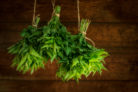
If you happen to have dried nettles on hand, you only need about 5 to 7 ounces for the same amount of water. Pro tip: If the smell gets too intense, stir in a little rock dust or bentonite clay to help neutralize the odor. Your brew should be fermented and ready to go in about 10 to 14 days.
Using It as Fertilizer
This fermented liquid is liquid gold for your plants. Stinging nettles are indicator plants, meaning they grow where the soil is rich in nitrogen and minerals. When you turn them into tea, they give all those nutrients right back to your garden. It’s a feast for “heavy feeders” like tomatoes, cucumbers, zucchini, and peppers.
Why Your Garden Will Love It
Beyond just feeding your plants, nettle tea is a bit of a miracle worker. It’s known to boost a plant’s immune system, making it more resistant to diseases and encouraging vigorous growth. Some gardeners even swear that the silica in the nettles (the same stuff that causes the sting!) helps tomatoes and squash develop a much deeper, richer flavor. Best of all? It’s 100% natural, meaning you can skip the harsh chemicals.
Don’t Forget to Dilute!
Straight nettle tea is a bit too “hot” for most plants and can actually burn them. You’ll need to water it down before use. Here’s a quick guide for the right ratios:
- Established plants and heavy-feeding veggies: 1:10
- Young plants and seedlings: 1:20
- Lawns: 1:50
Natural Pest Control
Nettle tea is also a fantastic weapon against aphids and spider mites. Again, the silica is the secret ingredient here. If you’re dealing with a sudden pest invasion and don’t have two weeks to wait for a fermentation, you can make a “quick tea” by boiling the nettles instead. This gives you an immediate solution when time is of the essence.
How to Apply It
Take your cooled, diluted tea (around a 1:10 ratio) and apply it to your plants. While you can pour it directly onto the soil, using a spray bottle is much more effective for targeting pests on leaves and stems. Make sure to repeat the process every few days to catch any newly hatched critters.
A Greener Choice
The biggest perk of using nettle tea for pest control is keeping your garden soil clean. Synthetic herbicides and pesticides often leave behind residues that can harm the very plants you’re trying to protect. By sticking with nettles, you’re keeping your garden healthy, organic, and thriving.