Generally speaking, hydrangeas aren’t usually the first choice for aphids. However, when the weather gets muggy and humid, these little critters can multiply like crazy and take over your garden—including your prized hydrangeas. If you find your plants under siege, don’t worry! Here are a few tips to help you clear them out.
How to Spot an Aphid Infestation
Whether or not you’ll deal with aphids usually depends on the weather. In years where spring warms up quickly, these pests get a head start and spread much further than usual. When that happens, they start targeting plants they’d normally ignore, like your hydrangeas. This makes them one of the more annoying pests to watch out for.
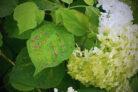
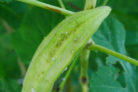
Unlike tiny spider mites, aphids are actually big enough to see with the naked eye. They are usually green or brown and leave behind a tell-tale sticky residue on the leaves. If you notice the stems or new growth starting to curl and twist, that’s a sign the aphids are stunting your hydrangea’s growth. That’s your cue to step in!
How to Get Rid of Aphids for Good
If you’ve only got a few aphids on a single plant, you probably don’t need to reach for the heavy-duty sprays. Often, a strong blast of water from the garden hose is enough to knock them off. You can also gently wipe the leaves down with a soft cloth to clean them up. If the infestation is a bit more stubborn, try a natural stinging nettle tea. It’s a great organic way to send pests packing without using harsh chemicals.
Here’s how to make your own stinging nettle tea:
- Gather fresh stinging nettles and chop up the leaves.
- Place the chopped leaves into a plastic bucket.
- Pour in enough water to completely cover the leaves.
- Let the mixture sit and steep for about two days.
- Strain the liquid and spray it directly onto your hydrangea leaves.
Of course, you can also find commercial insecticides at your local garden center that work wonders on aphids. If you go this route, just be sure to check the label first. Some products contain toxins that you might not want lingering around your hydrangea’s planting site. Whenever possible, I always recommend sticking to the eco-friendly stuff!