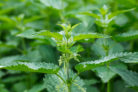
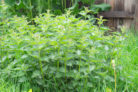
When it comes to poisonous plants, most of us don’t have much firsthand experience—thankfully! But there’s one big exception: the stinging nettle. Just about every kid playing outside has had a run-in with these guys and felt that signature sting. But have you ever wondered what’s actually happening when you brush up against one?
A Not-So-Friendly Cocktail
That painful, itchy burning sensation is caused by “nettle venom,” a liquid cocktail hidden inside the plant. It’s actually a mix of several different chemicals, including:
- Histamine
- Formic acid
- Acetylcholine
- Serotonin
This venom is stored in tiny, delicate hairs found all over the leaves and stems. Think of them like nature’s microscopic hypodermic needles. It’s the plant’s way of saying “stay away” to hungry animals. The good news? While it definitely smarts, nettle venom isn’t life-threatening for humans or pets, no matter how much you get on you.
First Aid for the Sting
If you happen to brush against a nettle, the simplest “cure” is just waiting it out—the sting eventually fades on its own. Of course, that’s easier said than done if you’re dealing with a crying toddler or if you’ve got a particularly bad rash. And let’s be real, even as adults, we don’t want to just sit there and suffer! If you get stung while harvesting or gardening, the best thing you can do is cool the area down. Ice packs, a cold wet washcloth, or even just holding the spot under a cold tap works wonders. You can also grab a cooling hydrogel from the drugstore to take the edge off quickly.
A Surprising Superfood
It’s funny—while fresh nettles are a literal pain in the neck, they actually turn into a powerhouse of health benefits once they’re cooked or dried. In fact, nettle is a celebrated medicinal plant! It’s packed with nutrients that help with all sorts of issues, from easing rheumatic pain and joint inflammation to soothing urinary tract infections. It’s also a go-to natural remedy for prostate issues and irritable bladder symptoms. So, don’t judge this “weed” too harshly—just make sure to wear gloves!