
It’s a common surprise for many new gardeners: a lot of those classic evergreen hedge plants are actually quite toxic. If you’ve got little ones or curious pets running around the yard, you definitely want a green boundary that’s beautiful *and* safe. To help you out, I’ve rounded up seven of the best non-toxic, evergreen hedge plants, plus a little “insider tip” at the end.
[[pflanzen]]
++Mexican Orange Blossom (Choisya ternata)
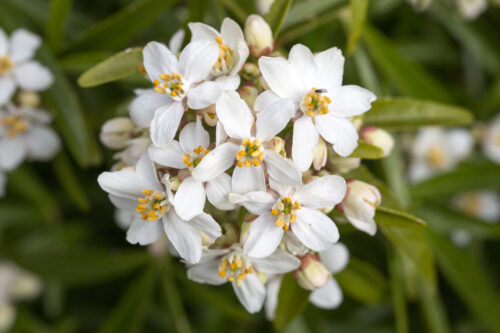
If you live in a milder climate, the Mexican Orange Blossom is a fantastic choice for a permanent outdoor hedge. It’s happy in both full sun and partial shade, usually reaching heights of about five feet. The glossy, dark green leaves stay on the branches all year long. But the real treat happens between March and June: clusters of bright white flowers bloom at the tips, giving off a delicate citrus scent. If you’re lucky, you might even get a second flush of flowers in September!
++Serbian Spruce (Picea omorika)
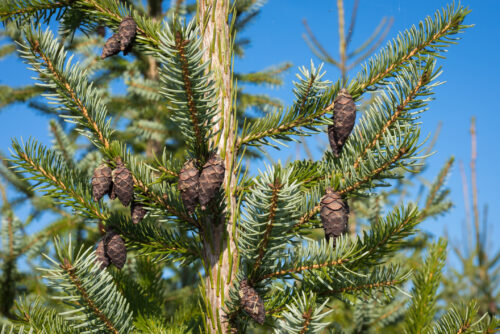
With its slender shape and symmetrical, deep green needles, the Serbian Spruce makes for a very elegant hedge. The slightly flattened needles stay on the tree year-round, providing excellent privacy (they only shed a few needles about every 12 years!). These trees are late bloomers, usually waiting until they’re 15 years old to produce their reddish-brown cones. Because they have such a naturally picturesque shape, you won’t need to do much pruning—just trim back any stray branches now and then to keep things tidy.
++Canadian Hemlock (Tsuga canadensis)
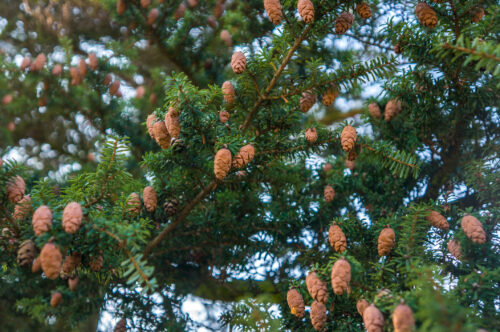
You can spot a Hemlock by its straight central trunk and pyramid-shaped top. It’s actually one of the best conifers for pruning, which is why it works so well as a non-toxic, evergreen hedge. The needles are soft to the touch, shiny green, and about an inch long with rounded tips. In May, you’ll see tiny yellow and red flowers that eventually turn into small, cute cones. It’s a great way to get that classic “forest” look without the safety concerns.
++Red Tip Photinia (Photinia)
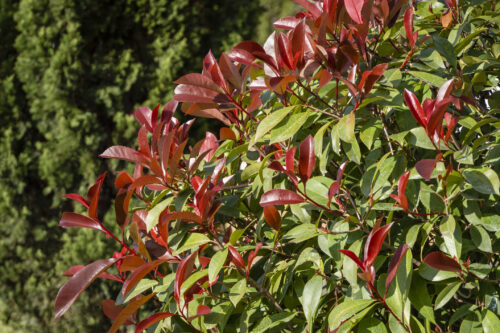
Photinia is a real showstopper. Not only does it have glossy leaves, but many varieties sprout bright red new growth in the spring. Add in the white flower clusters and the tiny apple-like fruits, and you’ve got a stunning, safe hedge. This hardy evergreen loves sun to partial shade and can grow up to 10 feet tall. It handles pruning well, but here’s a pro tip: since the leaves are large, use hand shears rather than electric trimmers to avoid “shredding” the foliage.
++Mugo Pine (Pinus mugo mughus)
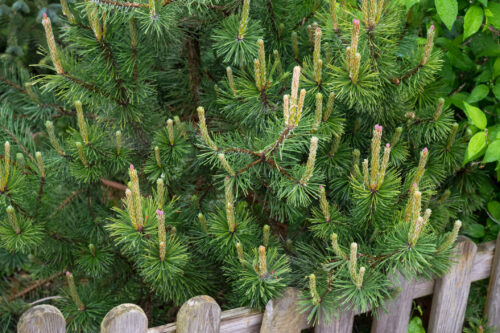
The Mugo Pine, with its long, twisted needles, adds a lot of texture to a garden. While it tends to grow wide rather than tall, you can easily keep it in shape with regular pruning. It’s a tough cookie, too—it thrives in poor soil where other plants might struggle. Because it handles wind and salty air like a champ, it’s a go-to choice for coastal gardens or windy spots where you need a sturdy privacy screen.
++Norway Spruce (Picea abies)
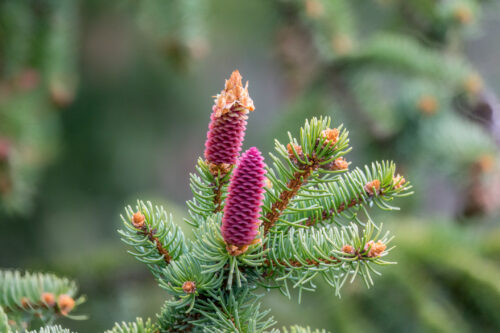
These tall, slender trees are surprisingly great as hedge plants. They feature needles up to an inch long that stay green all year. As long as the soil stays reasonably moist, they’ll grow almost anywhere. A well-maintained Spruce hedge that gets regular haircuts creates a thick, impenetrable wall of green. Just a heads-up: don’t try to keep them too thin. They do best when they’re at least 30 inches wide and 5 feet tall.
++Bamboo (Bambusoideae)
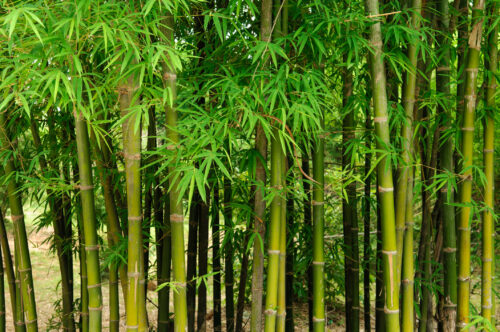
Dense, hardy, and non-toxic—bamboo is a fantastic modern hedge option. It brings a bit of an exotic vibe that works in more than just Zen gardens. You generally have two choices: *Fargesia* (clumping bamboo) or *Phyllostachys* (running bamboo). If you go with the latter, definitely use a root barrier so it doesn’t take over your whole yard! For smaller spaces, dwarf varieties that top out at five feet are perfect. You can easily control the height with a quick trim in the spring.
%%European Hornbeam (Carpinus betulus)
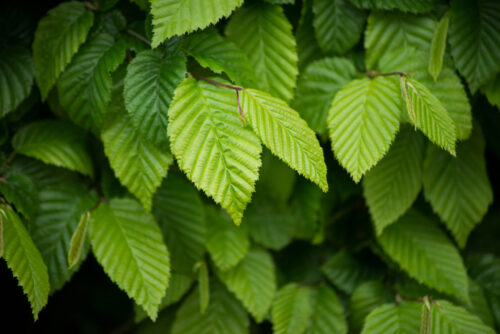
Here’s my “insider tip”: even though the Hornbeam is technically deciduous (meaning it loses its leaves), it’s still a top-tier choice for year-round privacy. After the leaves turn a beautiful golden yellow in the fall, they actually stay on the branches until the new buds push them off in the spring. This keeps your screen intact all winter! It grows fast—about 20 inches a year—and it’s a win for the environment, too. Birds love nesting in the dense branches, and hedgehogs often find a safe winter home at the base.