A spruce tree’s roots are its lifeline, delivering all the water and nutrients it needs to thrive. Because the root system is so vital to the tree’s health and stability, it’s worth taking a closer look at how they work.
Spruces are Shallow-Rooted
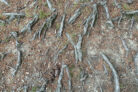
The spruce is what we call a shallow-rooted tree. Instead of diving deep into the earth, its roots stay close to the surface—sometimes you’ll even see them snaking across the top of the soil. While they don’t go deep, they do spread out wide in every direction around the trunk.
The Pros of Shallow Roots
The big advantage here is nutrient access. Because the roots stay near the surface, they can quickly soak up rainwater and nutrients from the topsoil before they wash away.
The Cons of Shallow Roots
The downside? These trees can’t reach the groundwater deep below. This makes spruces very dependent on consistent rainfall or a regular watering schedule from you.
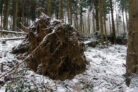
Stability is another issue. Because they don’t have a deep anchor, spruces are notoriously vulnerable to heavy storms. It’s not uncommon to see them damaged or completely uprooted by high winds.
If you’re thinking about planting under a spruce, keep in mind it can be tricky. Those sprawling surface roots take up a lot of space, making it hard for other plants to get a foothold and find enough nutrients to grow.
Deep Roots are Possible
Under the right conditions, a spruce can actually develop “sinker roots.” These can reach up to six feet deep, providing much better stability and access to groundwater. Whether or not a spruce grows these deeper roots depends entirely on your soil.
For deep roots to grow, the soil needs to be:
- Loose and crumbly
- Well-draining
- Well-aerated
- Avoid heavy, dense, or waterlogged clay soils, as these force the roots to stay shallow.
Root Diseases to Watch Out For
Spruce roots are particularly susceptible to Heterobasidion annosum, a fungus that causes red rot. This pathogen spreads through direct root contact between trees. Once it hitches a ride on the roots, it travels into the core of the tree and spreads upward.
The tricky part is that red rot is almost impossible to spot early on. By the time you see a reddish discoloration on the bark, the disease is usually so far along that the tree can’t be saved. To keep the fungus from spreading to your other trees, it’s usually best to remove the infected spruce as soon as possible.
Give Them Plenty of Space
When you’re planting a spruce in your yard, make sure to give it plenty of room away from your house, walls, and property lines. Remember: the root system spreads out just as wide (if not wider) than the branches above. Those shallow roots can easily lift up patio pavers or crack sidewalks, creating some serious tripping hazards.
Plus, because they are prone to tipping over in high winds, you definitely don’t want a tall spruce too close to any structures. Keeping a safe distance ensures that if a storm does get the best of the tree, your home stays out of harm’s way.