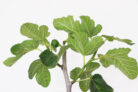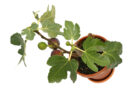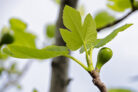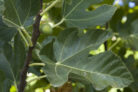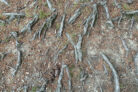
If you take a look at a fig tree’s natural canopy, you’re actually getting a pretty good blueprint of what’s happening underground. Fig trees have massive root systems! In the wild, those roots can spread out to about three times the width of the branches. This expansive network is exactly how the fig tree stays so hardy in its favorite sunny spots.
The Heart-Shaped Root System
Fig trees are what we call “heart-rooters.” This means their root system grows in a shape that—you guessed it—looks a bit like a heart. It’s a hybrid style: they grow shallow lateral roots that spread out near the surface, but they also send several strong, thick roots straight down. Usually, there’s one main central root that reaches even deeper into the soil.
This specific shape actually plays a big role in how big your fig tree will grow. While this root structure makes the tree incredibly stable, it does limit how much deep-groundwater the tree can reach compared to plants with long taproots.
Perfectly Adapted to the Wild
The fig’s roots are a masterpiece of evolution for its natural habitat. Because those thick roots anchor themselves deep into the earth, the tree can stand its ground even when things get really windy—which is common in the Mediterranean regions they call home.
Meanwhile, that wide web of surface roots is a survival tactic for dry spells. When it finally does rain, the tree can soak up every drop across a huge surface area before the water evaporates.
Interestingly, when figs are grown outside of their native climates, they can get a little “lazy” with their root growth. If the soil is too wet or rich, the roots don’t bother spreading out, which can lead to a wobbly tree or a smaller harvest. If you’re gardening in a place with lots of rain, you can give your fig a little “tough love” by mixing sand or gravel into the soil. This loosens things up and encourages the roots to stretch out and dive deeper.
Managing Roots in Containers
Even though they love to spread out, you can absolutely grow a fig tree in a pot or as a houseplant. Just keep in mind that figs are space hogs! Out of all the common container plants, figs probably need the most legroom.
On average, you’ll want to repot your fig every two years. Always choose a container large enough to give the roots plenty of breathing room away from the edges so they can continue to develop properly.