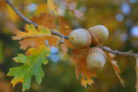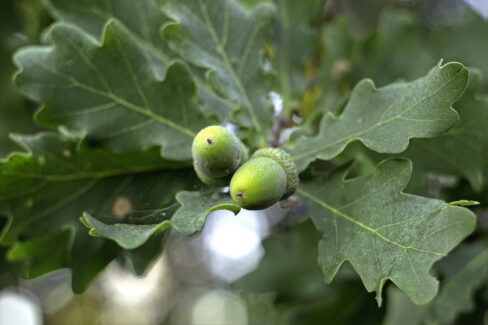
Oak leaves are easily some of the most recognizable leaves out there. That classic combo of rounded lobes or sharp points paired with a long, oval shape is basically the oak tree’s calling card. If you’ve ever wondered what makes these leaves so special or how to tell different species apart, you’re in the right place!
Incredible Variety with a Signature Look
Did you know there are over 600 different species of oak trees growing worldwide? While they don’t all call North America or Europe home, they all share a certain family resemblance. Most of us have a specific image in mind when we think of an oak leaf, but depending on the variety, the shape can actually vary quite a bit.
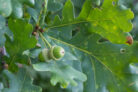
The “secret sauce” of an oak leaf’s shape is its lobes and sinuses. Lobes are those rounded or pointy sections that stick out, while the sinuses are the “indentations” or gaps between them. Even though the exact number of points or the depth of the curves changes from tree to tree, that wavy, lobed look is a classic oak trait.
The English Oak (Common Oak)
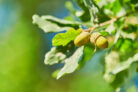
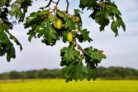
The English Oak (often called the German Oak in Europe) has some of the most picturesque foliage you’ll find. These leaves are a vibrant light green and can grow up to about 6 inches long. The edges are famous for their soft, rounded lobes that almost look like a decorative pattern. Fun fact: its botanical name, *Quercus robur*, refers to the long stalks that the acorns hang from, rather than the leaf stems themselves!
Key features to look for:
- Color: Lush green in summer; turns yellow and golden-brown in the fall.
- Size: Up to 6 inches long.
- Stems: Very short leaf stalks, but long stalks for the acorns.
- Lobes: Usually 4 to 7 rounded lobes per leaf.
- Edges: Smooth, rounded shapes.
The Sessile Oak
Right behind the English Oak in popularity is the Sessile Oak. While it’s a close relative, its leaves have their own unique vibe. Depending on where the tree is planted, these leaves can actually get quite a bit larger than the English Oak’s.
Key features to look for:
- Color: Dark green on top with a paler, light green underside.
- Size: Can reach up to 8 inches in length.
- Shape: The indentations between the lobes are often more funnel-shaped.
The Life Cycle of an Oak Leaf
As the weather cools down in the fall, oak leaves put on a show, turning beautiful shades of yellow and rusty gold. Eventually, the tree drops its leaves to stay safe and dormant through the winter. Come May, you’ll start to see fresh new growth. The exact timing of those first buds depends on the specific variety and your local climate.
Keep an eye on your leaves, though! If you notice strange spots, weird coatings, or if the leaves start curling and drying out before autumn even hits, you might be dealing with pests or a tree disease. If something looks off, it’s always a good idea to investigate the cause so you can help your oak get back to its healthy, majestic self.