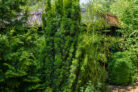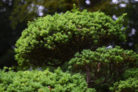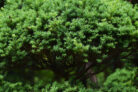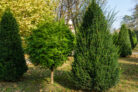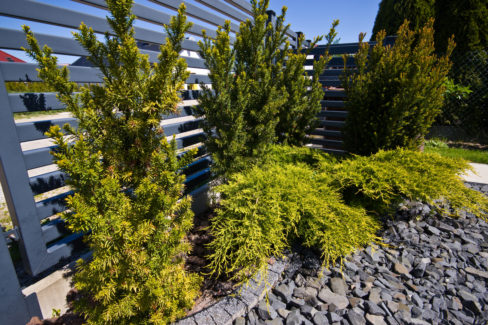
Yews are beautiful, hardy, and a total staple in many of our backyards. But while they look great as hedges or standalone trees, they can be a real pain to get rid of once they’ve settled in. That’s all thanks to their root system. If you’re thinking about planting one (or trying to dig one up), here’s the lowdown on what’s happening beneath the soil.
These Trees are Deep Rooters
The Yew is what we call a deep-rooting tree. This means it sends out long taproots that reach way down into the earth. This is actually a survival superpower—it allows the Yew to pull water from deep underground even during those scorching summer heatwaves. However, it takes a little time for the tree to develop this “deep reach.”
Younger trees don’t have those deep roots yet. Because of that, you’ll need to keep a close eye on them during hot spells at their planting site. Make sure they’re getting enough water and nutrients; a little fertilizer every now and then will go a long way in helping those youngsters get established.
Heads Up: The Roots are Toxic!
Most parts of the Yew tree contain a toxic alkaloid called taxine. In fact, the only part of the tree that isn’t poisonous is the fleshy red part of the berry. Taxine is no joke—it’s highly toxic and can even be fatal if ingested.
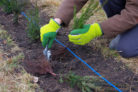
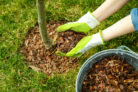
Because of this, you should always wear gardening gloves when handling any part of the tree. The clippings can cause skin irritation or allergic reactions, and yes, that includes the roots. The roots contain the same toxic compounds as the needles and wood, so handle them with care!
What Yew roots need to thrive:
- Loose, nutrient-rich soil
- Good drainage (they hate “wet feet” or waterlogging)
- Plenty of breathing room from other Yews and house foundations
Removing Yew Roots
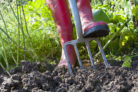
Yews are stubborn! They have a habit of sprouting back up from the roots even after the main tree is gone. If you’re trying to remove a Yew from your garden, you have to be thorough. You either need to dig out the entire root system or, after cutting the tree down and grinding the stump, cover the area with a heavy-duty landscape fabric or tarp to prevent new growth.
When you first plant a Yew, keep its future size in mind. Make sure there’s plenty of vertical space for those taproots to grow downward, and keep a safe distance from pipes, utility lines, and your home’s foundation.