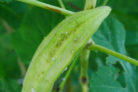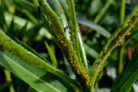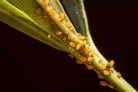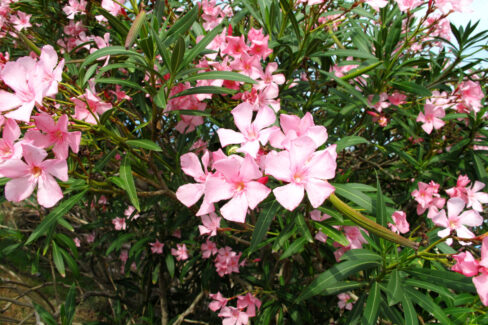
Scale insects are some of the most common pests you’ll run into if you’re growing oleander. They love these Mediterranean beauties! But don’t worry—if you spot them, there are plenty of ways to get your plant back to health. Here’s a quick guide on how to handle these little hitchhikers.
Scale and Other Common Pests
Dealing with lice and scale is just part of the job when it comes to oleander pests. Besides scale, you’ll often run into:
- Aphids
- Mealybugs
How to Spot a Scale Infestation
You’ll usually notice a scale problem when you see “ant highways” running up and down your plant or when the leaves start turning black from sooty mold. These tiny pests hang out on the leaves to suck out the sap. As they feed, they excrete a sticky substance called honeydew. This sticky film is exactly what attracts ants and provides the perfect breeding ground for that black sooty mold.
What Makes Scale Different?
Unlike aphids, scale insects come equipped with a protective “shield” or shell on their backs (hence the name!). This armor makes them a bit tougher to get rid of than your average garden pest, but it’s definitely not an impossible task.
Getting Rid of Scale
Before you run out and buy heavy-duty chemical pesticides, I always recommend trying some natural, organic home remedies first. Step one: move your infested oleander away from your other plants so the scale doesn’t spread!
Natural Remedies for Scale
A simple mixture of water and insecticidal soap (or even a mild dish soap) works wonders. The soap clogs the insects’ breathing pores, which effectively suffocates them. Adding a little rubbing alcohol to the mix can also help break down those tough protective shells. Just take a cloth or sponge and regularly wipe down the affected parts of the plant for a few weeks.
Pruning for Severe Infestations
If your oleander is totally covered and the soap isn’t cutting it, it might be time for a “haircut.” Don’t be afraid to prune it back aggressively—even down to just a few inches above the ground. This removes the pests’ food source and hiding spots entirely. Oleanders are incredibly hardy and handle heavy pruning like champs; they’ll bounce back with fresh new growth by next spring.