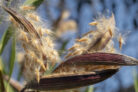
Spider mites are some of the most common uninvited guests you’ll find on your oleander. If you’ve noticed your plant looking a bit under the weather, don’t worry! I’m going to show you exactly how to spot these tiny pests and what you can do to get your oleander back to its healthy, vibrant self.
Common Oleander Pests
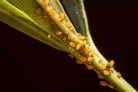
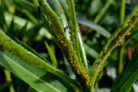
Spider mites are definitely high on the list of pests that love to snack on oleanders. But they aren’t the only ones you should keep an eye out for. You might also run into:
- Lice and aphids
- Mealybugs and scale insects
- Common aphids
Spotting a Spider Mite Infestation
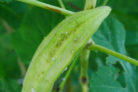
Spider mites usually hitch a ride on the breeze to find their next home. Since they’re tiny—usually less than a millimeter long—they are almost impossible to see with the naked eye. However, you can spot their handiwork by looking for fine, white webbing. It looks a lot like miniature spider webs tucked away on the leaves and new shoots of your plant.
Location matters, too! Oleanders placed against warm, sunny walls tend to get hit by spider mites more often than those out in the open. They also love plants that are overwintered in warm, dry indoor spots.
How to Get Rid of Spider Mites
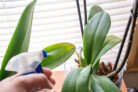
The good news is that spider mites are actually pretty easy to kick to the curb. These pests thrive in hot, dry conditions, so the secret weapon is moisture. To get rid of them, you’ll want to increase the humidity around your plant. Mist your oleander with water several times a day. If your plant is small enough, you can even cover it with a clear plastic bag after misting to create a mini “sauna” that keeps the humidity high.
The mites can’t stand the damp environment and will usually clear out pretty quickly. For an extra boost, try mixing a little bit of canola oil into your spray bottle—it works wonders for suffocating the pests naturally.
A Pro Tip for Early Detection
Here’s a little trick I love: even if your oleander looks perfectly healthy, give it a regular misting with a spray bottle. If spider mites are starting to move in, the tiny water droplets will get caught in their fine webbing, making it light up like a neon sign. This helps you catch the problem early before the infestation gets out of hand!