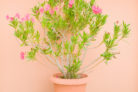
Oleanders are generally pretty tough plants and don’t get hit by pests or diseases too often. However, an aphid infestation is a pretty common headache for many gardeners. If you’ve noticed some unwanted guests on your plants, don’t worry—here’s how to handle them.
Different Types of Pests on Oleanders
While aphids are the most frequent visitors, they aren’t the only ones. Your oleander might also play host to other types of scale insects. The most common culprits are:
- Mealybugs
- Scale insects
Spotting an Aphid Infestation
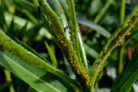
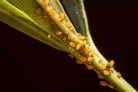
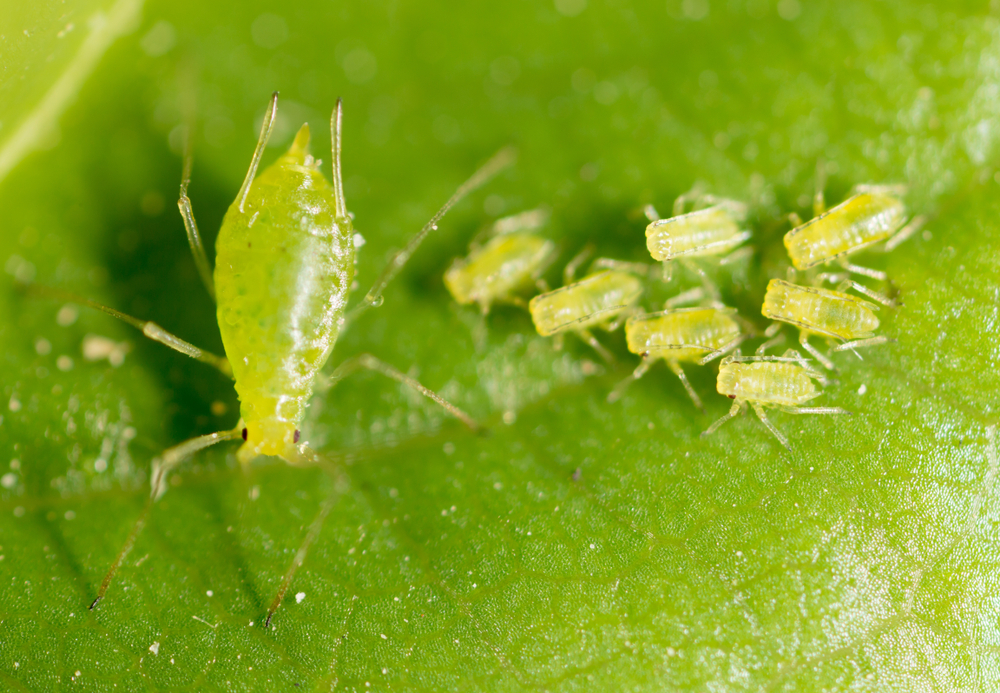
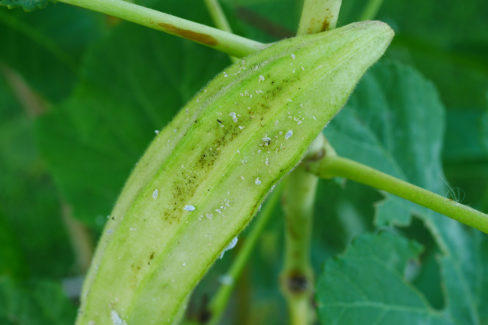
Out of all the pests that might target your oleander, aphids are definitely the #1 offender. You’ll most likely see the bright yellow variety hanging out on your plants. Even though individual aphids are tiny, they usually show up in huge numbers, making them easy to spot with the naked eye. I always recommend giving your oleander a quick “once-over” regularly. Catching them early makes it way easier to get the situation under control before they take over the whole plant.
You’ll usually find aphids clustered on the soft, young shoots and new leaves. The older growth is typically too tough for their delicate mouthparts to pierce. Another dead giveaway? Ants. Aphids secrete a sticky substance called honeydew that ants absolutely love. If you see an ant trail heading up your oleander, you can bet you’ve got a pest problem.
How to Get Rid of Aphids
The good news is that getting rid of aphids doesn’t have to be a massive chore. Your first line of defense is simple: grab your garden hose. Give the entire plant a good, firm spray from top to bottom. This physical blast of water is often enough to knock a huge portion of the aphids right off.
For the stubborn ones that stick around, I’m a big fan of natural remedies. A homemade stinging nettle tea (or “slurry”) is a classic organic fix that usually does the trick. Spray it on your plant a few times a week until the pests are gone. As a bonus, this mixture actually helps strengthen the plant’s own natural defenses!
If the natural route doesn’t cut it, then it’s time to head to your local garden center for a specialized aphid treatment to clear out the remaining troublemakers for good.