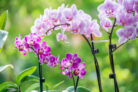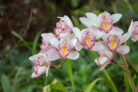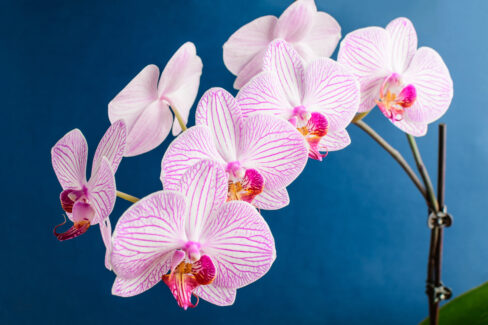
Orchids are stunning, but they’re also a magnet for pests—especially lice. Along with aphids and mealybugs, scale insects are among the most common orchid-loving culprits. Because of their protective “shells,” getting rid of them is a bit trickier than your average bug, but don’t worry! With a little patience, you can definitely win the battle.
How to Spot Scale Insects
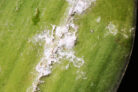
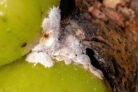
It’s actually pretty easy to tell scale apart from other types of orchid pests. While they’re tiny—ranging from about 0.02 to 0.3 inches—they have a distinct, hard protective shell. You’ll notice them as small, raised bumps on the leaves that you can actually feel with your fingertip.
Symptoms of a Scale Infestation
Like most pest problems, scale usually goes unnoticed until the infestation is well underway. You’ll want to keep a close eye on the undersides of the leaves and the leaf axils (where the leaf meets the stem). If you see little brown or tan “humps,” you’re looking at the hard shells of these pests.
Other red flags include:
- Deformed or stunted leaf growth
- Clear bite marks or feeding damage
- Yellow or brown spots and discoloration on the foliage
If left unchecked, a heavy infestation will eventually kill off the leaves and other parts of the plant. Since these pests suck the sap right out of the orchid, the plant loses its “lifeblood” and can no longer support itself.
How to Get Rid of Scale
That hard shell I mentioned? It’s basically armor. Most standard organic sprays just slide right off without hurting the insect underneath. However, high-proof alcohol is your secret weapon here because it can dissolve that shell. Grab a cotton swab or a soft cloth, dip it in rubbing alcohol, and dab it directly onto the pests. This softens and breaks down the protective coating so the parasite can be eliminated.
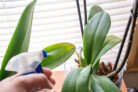
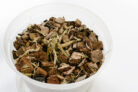
Once you’ve tackled the shells, you can follow up with standard pest remedies. A mix of water, insecticidal soap, and a splash of alcohol works great, as does wormwood tea. Another fantastic option is Diatomaceous Earth (DE). This fine mineral powder works by dehydrating the insects on contact.
I usually recommend saving chemical pesticides as a last resort for severe infestations. If you do go that route, always test the spray on a single leaf first. Orchids can be sensitive, and you’ll want to make sure the “cure” isn’t harder on the plant than the pests themselves!