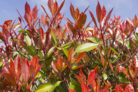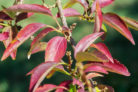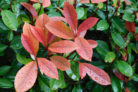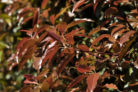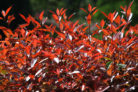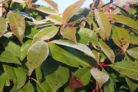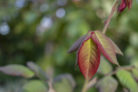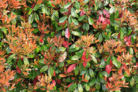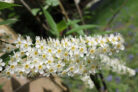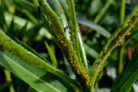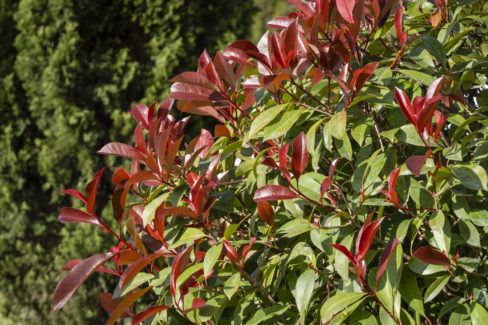
Notice some funky discoloration or a sticky residue on your Photinia leaves? It’s time to do a quick inspection for aphids or scale. You’ll want to act fast to keep your shrubs looking their best and prevent any serious damage.
How can I get rid of these pests quickly?
If you catch the problem early and only see a few bugs, the easiest (though maybe a little gross!) method is to simply pick them off by hand. For a moderate case, common household remedies usually do the trick pretty fast. However, if your Photinia is totally covered, you might need to combine a few different treatments or even give the plant a good pruning to clear out the worst spots. Check out more on pest control here.
What are some effective home remedies?
Neem oil is a tried-and-true organic favorite—just spray it directly onto the affected leaves. Another great DIY option is a mixture of insecticidal soap (or mild liquid soap), water, and a bit of canola oil. Spray this solution thoroughly over the plant to suffocate the pests. It’s super easy to whip up!
If you’d rather let nature do the work, consider “beneficial insects” like ladybugs or lacewings. These little guys are natural predators that will feast on your aphid problem. You can easily order them online and release them right onto your shrubs. The best part? You don’t have to clean up afterward—once the food source is gone, they’ll simply move on to a new spot in your garden.
Can I prevent pests in the future?
The best defense is a good offense! Healthy, vigorous plants are much less likely to be targeted by pests. To keep your Photinia strong, make sure it’s in a sunny to partially shaded location. Proper hydration and nutrition are key, too. Water your plants when the soil feels slightly dry to the touch, and if your soil is a bit thin, make sure to fertilize regularly.
Quick Summary:
- Treat early to prevent secondary fungal infections.
- Control options: Neem oil, soap and canola oil spray, or beneficial insects.
- Prevention tips: Choose the right spot, encourage natural predators, try companion planting with lavender, and avoid over-using high-nitrogen fertilizers for short periods.
Pro Tip: Treat your Photinia as soon as you spot the first bug. If you catch it early, you can skip the harsh chemicals entirely!