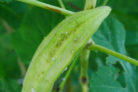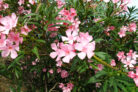
When it comes to oleanders, the most common uninvited guests you’ll deal with are lice and scales. There are two or three main culprits that absolutely love to set up camp on these beautiful Mediterranean shrubs. Here’s the lowdown on how to spot them and, more importantly, how to get rid of them.
The Different Types of Pests
While several bugs might drop by, these are the usual suspects you’ll find on your oleander:
- Aphids
- Scale insects
- Mealybugs
Dealing with Aphids on Oleander
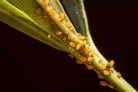
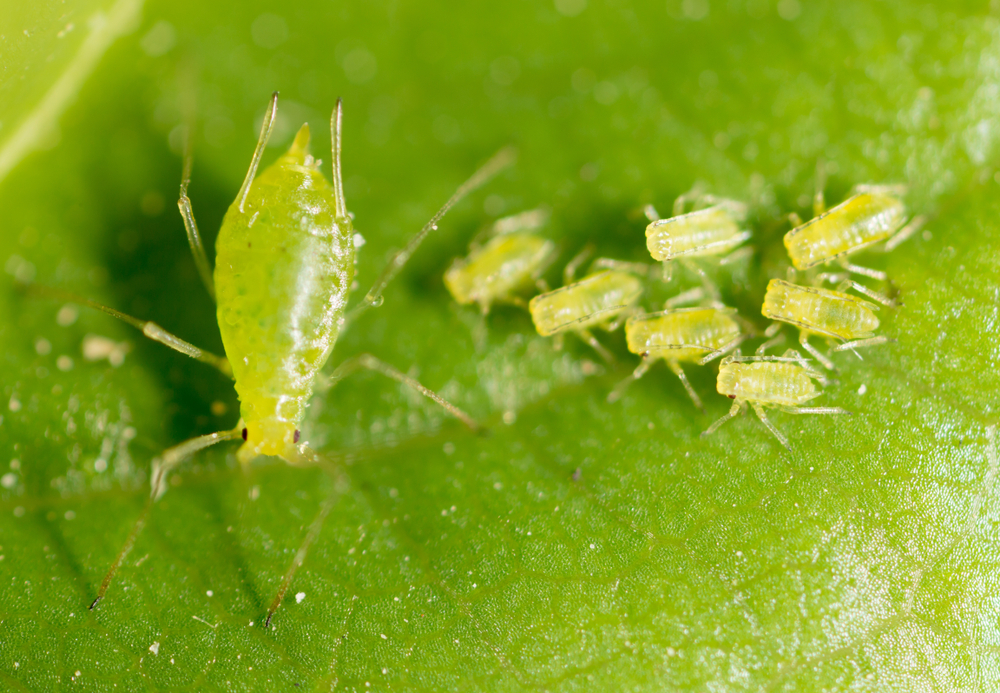
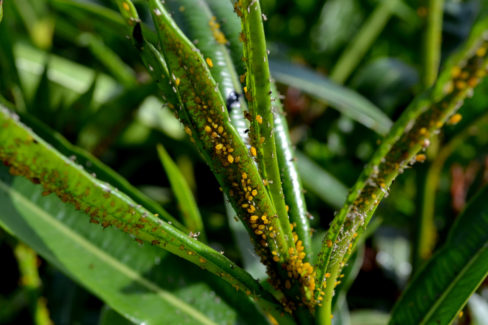
Aphids usually hang out on the softest parts of the plant, like the undersides of leaves or fresh new shoots. They aren’t big fans of older branches because the wood is just too tough for them to pierce and suck out the sap.
If you see a “highway” of ants marching up and down your oleander, you’ve likely got aphids. The ants are attracted to “honeydew”—a sticky, sweet substance the aphids excrete. This residue can also lead to sooty mold, which looks like a black, dusty coating on the leaves.
To kick aphids to the curb, start by giving your oleander a good blast with the garden hose. This knocks a huge chunk of the population right off. For the stragglers, you can use a homemade stinging nettle tea spray, which also helps boost the plant’s natural defenses. If they’re still being stubborn, it might be time to pick up a specialized organic aphid spray from your local garden center.
Dealing with Scale Insects
Scale insects are a bit trickier because, as the name suggests, they have a hard, protective shell on their backs. This armor makes them much tougher to kill than aphids, but don’t worry—you’ve got options.
You can tackle scale with a mixture of water and insecticidal soap (or a mild dish soap) or even canola oil. Rubbing alcohol also works wonders. These treatments penetrate or coat the shells, eventually suffocating the pests.
Dealing with Mealybugs
Mealybugs are a bit less common on oleanders than aphids or scale, but they’re easy to spot. They look like tiny, white, fuzzy cotton balls stuck to the leaves and stems.
Just like with scale, a soapy water mix works well here. However, if you want to bring out the big guns, neem oil is particularly effective at clearing up a mealybug infestation.
The “Nuclear Option”: Pruning for Severe Infestations
If your oleander is completely overrun with scale or mealybugs and nothing seems to be working, it might be time for a hard prune. Don’t be afraid to cut back the affected branches or even do a radical rejuvenation prune. Not only does this physically remove the bulk of the pests, but it also gives the plant a fresh start and makes it much easier to manage any remaining bugs.