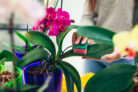
If you’ve noticed your orchid leaves are covered in sticky, resin-like droplets, your plant is likely trying to tell you something! Usually, this is a little “SOS” signal that something is off with its care routine, though sometimes tiny pests are the real culprits. Getting your orchid back to its happy, healthy self starts with understanding why those leaves are getting tacky in the first place.
Sticky and Resin-Like Leaves
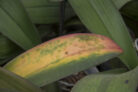
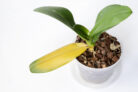
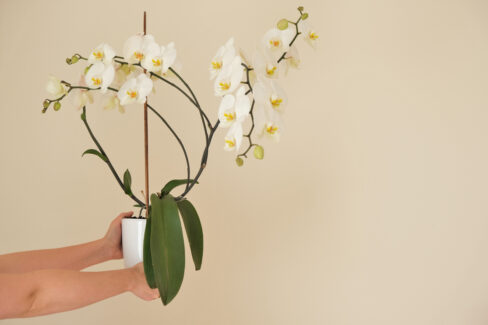
Orchid leaves are the best way to gauge your plant’s health. When everything is going great, they should be firm, smooth, and vibrant green. But every now and then, you might find sticky secretions on the surface. Think of this as your orchid’s way of expressing discomfort—it’s trying to point out a specific problem in its environment.
What’s Causing the Sticky Residue?
Those resin-like drops (often called “honeydew” or “extrafloral nectaries”) can pop up for a few different reasons. Most of the time, it comes down to a bit of “plant stress” caused by:
- The wrong location or environment
- Waterlogging (too much water!)
- A pesky aphid infestation
The Wrong Environment
Since most orchids originally hail from tropical rainforests, they crave a warm, humid spot. They really hate big temperature swings, dry air, and cold drafts. You’ll also want to protect them from harsh, direct midday sun, while making sure they still get enough light during those gloomy winter months.
Waterlogging and Overwatering
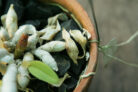
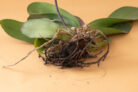
Sometimes, “sticky leaf syndrome” is a direct result of how you’re watering. If the roots are sitting in water (waterlogging), it messes with the plant’s natural transpiration process. When the orchid can’t “breathe” properly, it forces excess moisture out through the pores in its leaves. This liquid is full of natural sugars, which creates those tacky, sugary droplets. Check your watering habits to make sure your plant isn’t drowning!
Aphid Infestations
If it’s not a care issue, you might have uninvited guests. Aphids love to snack on orchid leaves, and as they feed, they leave behind a sticky substance called honeydew. If you spot these pests, you can treat them with a simple DIY solution: mix one quart of water with a tablespoon of mild liquid soap (or dish soap) and a splash of rubbing alcohol. This mixture works great for killing the bugs and cleaning off the sticky residue at the same time.
Keep Those Leaves Clean
When an orchid starts producing sticky sap, it’s in the early stages of feeling stressed. The good news? If you act fast, it’s an easy fix! While the sap itself doesn’t hurt the plant, you should wipe it off regularly with a damp cloth. Because those drops are sugary and nutrient-rich, they act like a magnet for pests. Keep the leaves clean, adjust your care routine, and your orchid will be back to blooming in no time!