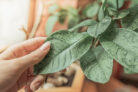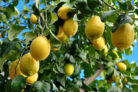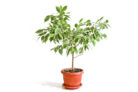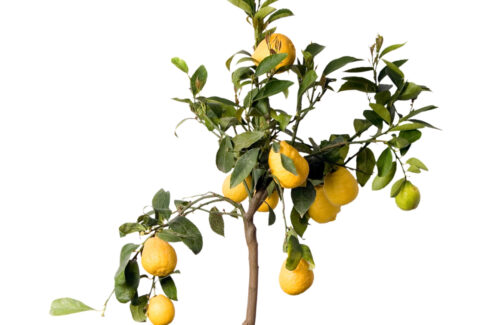
If you notice your lemon tree (bot. *Citrus x limon*) has sticky leaves, I’ve got some bad news: it’s definitely not a good sign. Usually, this means some uninvited guests have moved in. The good news? If you catch it early, you can totally save your little citrus tree. You just have to act fast!
The Culprits
Lemon tree leaves don’t naturally produce anything sticky, so if they feel tacky to the touch, it isn’t a “natural” phase. You can bet your bottom dollar that you’re dealing with:
- Aphids or
- Scale insects
Honeydew
Both aphids and scale are types of plant lice that love to suck the sap right out of your tree. Here’s the kicker: they don’t actually digest the sugar in that sap. Instead, they excrete it, leaving behind a sticky residue known as “honeydew.”
Because honeydew is basically sugar water, it attracts all sorts of other bugs. You might see ants marching up and down your potted lemon tree to “milk” the aphids. Ants actually love this stuff so much they’ll feed it to their young and even protect the aphids from predators! You might also see various flying insects landing on the leaves to grab a snack. Don’t worry about the fliers, though—they’re just there for the free buffet and won’t hurt your tree.
Sooty Mold
The real trouble with that sweet honeydew is that it often leads to sooty mold. This fungus isn’t a parasite—it eats the honeydew, not the tree itself—but it’s still a major problem. The mold creates a dark, gray film over the leaves that blocks out the sun. If the tree can’t perform photosynthesis, it’ll eventually wither away.
The best way to prevent this is to stay on top of things and wipe those sticky leaves clean as soon as you see them.
How to Fight Back
Between the mold and the insects literally sucking the life out of your plant, a bad infestation can be fatal. These pests multiply like crazy, so you’ve got to show them who’s boss immediately.
Aphids
- Prune away any heavily infested parts of the tree.
- Give your lemon tree a good blast with a sharp stream of water from the hose.
- Spray the plant with a mild insecticidal soap or a simple dish soap solution.
- Bring in the “good guys”: Release natural predators like ladybugs, lacewing larvae, or parasitic wasps.
Scale Insects
- Prune off the affected branches or leaves.
- Use a strong spray of water to knock them loose.
- Wipe the leaves down with soapy water.
- If you aren’t squeamish, you can manually crush the insects.
- Try a homemade botanical spray made from rhubarb leaves, garlic, tansy, wormwood, or even onion and potato peels.
- Use natural predators like lacewings, predatory bugs, or gall midges to do the dirty work for you.