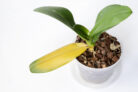
Exotic orchid leaves are usually a picture of health—firm, vibrant green, and smooth to the touch. But every now and then, you might notice a weird, sticky residue on them. If your orchid is feeling a bit “tacky,” it’s trying to tell you something. Let’s dive into what might be causing those sticky spots and how to fix it.
Possible Causes for Sticky Leaves
While those sticky droplets are a natural secretion, they’re usually a sign that your orchid is stressed. A happy, thriving orchid generally won’t produce this residue. If you’re seeing it, it’s likely due to one of these three things:
- Stress from the wrong environment
- Overwatering (standing water)
- A pest infestation, like aphids
Environmental Stress
Finding resinous drops on your orchid’s leaves is often a “cry for help” regarding its living conditions. The first step is making sure your plant is in the right location.
These exotic beauties love consistency—think warm and humid. You’ll want to avoid temperature swings of more than 10°F (about 5°C). Drafts, chilly rooms, and dry air are also big no-nos.
To keep your orchid happy, aim for:
- Consistent temperatures between 68°F and 82°F in the summer, and 60°F to 68°F in the winter.
- Plenty of bright, indirect light (just keep them out of harsh, direct midday sun).
- High humidity—at least 60% is the sweet spot.
Overwatering and Guttation
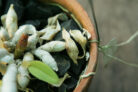
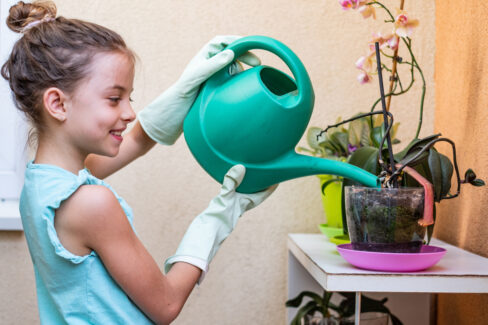
One of the most common “oops” moments in orchid care is improper watering. If the roots are sitting in water and the air is very humid, the plant can’t “breathe” (transpire) normally. To cope, the orchid forces moisture out through its leaves to keep its internal systems moving.
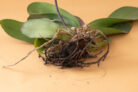
Botanists call this process “guttation.” If this is happening, your best bet is to repot the orchid into fresh, dry orchid bark or substrate and be a bit more conservative with the watering can moving forward.
Aphid Infestations
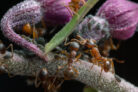
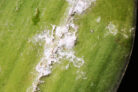
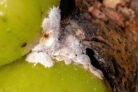
If your environment is perfect and your watering schedule is on point, you might have some uninvited guests. Pests—specifically aphids—leave behind a sticky residue called honeydew. If you spot these tiny bugs, you’ll want to act fast so they don’t spread to your other plant babies.
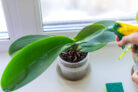
You can clean the leaves using a simple homemade solution: mix one quart of water with a tablespoon of castile soap (or mild dish soap) and a teaspoon of rubbing alcohol. Wipe down the leaves thoroughly. Depending on how bad the infestation is, repeat this every two to three days until the bugs are gone.
Keep Those Sticky Leaves Clean
Even while you’re fixing the root cause, make sure to wipe those leaves down regularly. That sticky stuff is mostly sugar and nutrients, which is basically an all-you-can-eat buffet for other pests and even mold.
Don’t Reach for the Scissors!
Whatever you do, don’t cut off the sticky leaves! A good rule of thumb for orchids is to only prune parts that are completely dried out and brown. As long as those leaves are still green and firm, they are still providing energy to the plant. Just keep them clean, fix the environment, and let the orchid heal itself.