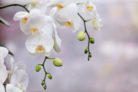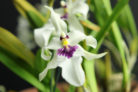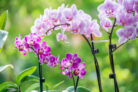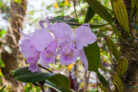
Today, orchids are easily some of the most popular plants on the planet. You can find these colorful beauties brightening up windowsills in homes all across the country. But while they look right at home in our living rooms, their true roots lie far away in the lush, tropical and subtropical rainforests.
The Rainforest: The Ultimate Orchid Habitat
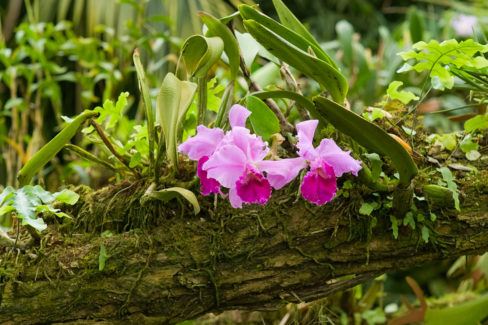
Most of the orchid species we know and love today were first discovered in tropical jungles. The warm, humid climate provides the perfect “spa-like” conditions for them to thrive. Interestingly, most tropical orchids grow as “air plants” (epiphytes) perched high up on tree branches or rocky cliffs. They use their thick aerial roots to cling to the bark under the canopy of giant jungle trees.
Of course, not all orchids are climbers! There are also terrestrial species that prefer to keep their roots firmly planted in the forest floor.
Bringing the Rainforest Vibes Home
Since we mostly keep orchids as houseplants these days, the secret to a happy plant is mimicking its natural habitat. When choosing the right spot and routine, think like a rainforest:
- Light: They love bright spots, but keep them out of harsh, direct midday sun—think filtered light through tree leaves.
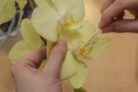
- Humidity: Give those aerial roots a regular misting with water to keep the humidity levels up.
- Food: Keep them energized with regular fertilizing to ensure they have all the nutrients they need to bloom.
Orchids in Our Own Backyard
Believe it or not, you don’t have to travel to the Amazon to find orchids in the wild. While we associate them with the tropics, several species are actually native to Europe and even parts of North America and Germany. Some famous European natives include:
- The Marsh Orchids (Knabenkräuter),
- Butterfly Orchids (Waldhyazinthen),
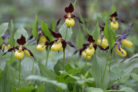
- And the stunning Lady’s Slipper (Cypripedium calceolus).
Protecting These Natural Treasures
Sadly, due to deforestation and habitat loss, many wild orchid species are currently endangered and protected by law. This is especially true for the native species found in Europe. If you spot one while hiking, please don’t pick, cut, or try to dig it up! Not only is it harmful to the environment, but it’s also illegal and can result in some pretty heavy fines.
The best way to enjoy these natural beauties is to snap a photo and leave them exactly where they are. If you want that orchid magic for your own home, it’s always best to pick up a sustainably grown plant from your local garden center instead!