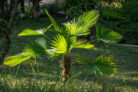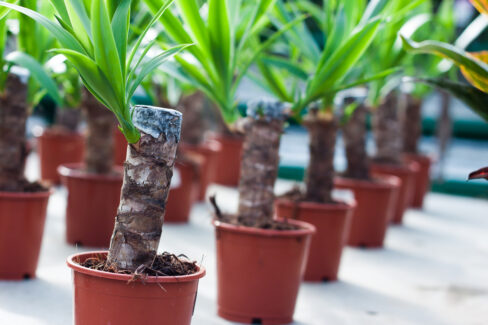
While the Yucca (often called the Adam’s Needle or Spanish Bayonet) isn’t exactly a “diva” when it comes to soil, you can definitely give it a little VIP treatment. Creating a “comfort zone” for those roots is the secret to a happy, thriving plant.
What Kind of Soil is Best?
Whether you’re planting your Yucca directly in the backyard or keeping it in a stylish pot, there is one thing you need to remember: Yuccas hate “wet feet.” Their biggest enemy is standing water. To keep them healthy, you need to make sure rain or irrigation water drains away quickly. The best way to do that depends on your setup:
- A Yucca in a container
- A Yucca planted in the ground
Potted Yuccas
Container-grown Yuccas aren’t too picky, but they definitely have a “type.” They prefer soil that is:
- Nutrient-rich
- Loose and airy
- Well-draining
Since many store-bought mixes already fit this description, you can easily use:
- Palm soil
- Green plant potting mix
- General-purpose potting soil
- Container plant mix
To really level up the drainage, I recommend mixing in some gritty materials like:
- Coarse sand
- Pumice
- Perlite
If you want to go the specialty route, succulent soil or a 50/50 mix of cactus soil and regular potting soil works great because they are naturally very porous.
Mixing Your Own Substrate
If you’re a DIY gardener and want to whip up your own custom blend, try this recipe:
- 5 parts standard potting soil
- 4 parts container plant mix
- 1 part quartz sand
- 1 part drainage material (like lava rock, expanded clay, pumice, or perlite)
You can also swap the base soils for a mix of garden loam and clay-heavy field soil. Just aim for a pH level between 6.0 and 7.0 to keep things in the sweet spot.
Preventing Root Rot
To keep water from pooling at the bottom, don’t forget these two golden rules when repotting:
- Always use pots with at least one drainage hole.
- Create a drainage layer at the bottom of the pot using terracotta shards or gravel.
Yuccas in the Garden
If you’re planting your Yucca in a rock garden or a gravel bed, you’re already golden—those are its favorite spots! However, if you’re putting it in a standard garden bed, you’ll need to help the location out with some extra drainage so the roots don’t drown during a rainstorm. Here’s the game plan:
- Dig the planting hole twice as wide as the root ball.
- Add a 12-inch (30 cm) drainage layer at the very bottom.
- Use materials like coarse gravel or broken pottery (or backfill with succulent soil).