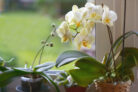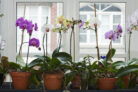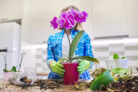
These days, you’ll see colorful orchids brightening up windowsills everywhere. Most of us grow them in pots, but if you want your orchid to truly thrive and show off those stunning blooms, getting the care routine right is key.
Caring for Potted Orchids
When it comes to orchid care, there are three main things you need to keep an eye on:
- Proper watering
- The right fertilizer
- Smart pruning
How to Water Your Orchids Correctly
Because of their tropical origins, orchids love warmth and need a steady supply of hydration. Generally, you’ll want to water your potted orchid once or twice a week, depending on how dry your home is. The golden rule? Always let the excess water drain away completely—orchids hate “wet feet” (standing water).
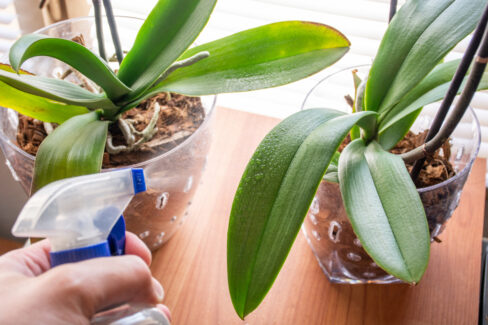
To keep them extra happy, give their aerial roots a quick mist with lukewarm, filtered water. It helps mimic that humid jungle air they love so much.
Feeding Your Orchids
If you want those spectacular blooms, you’ve got to give your plants the right nutrients. Always use a specialized orchid fertilizer and follow the dosage on the label. Be careful not to overdo it; too much fertilizer can actually do more harm than good.
During the active growing season (April through September), feed them regularly. Once winter hits and the plant goes into its rest phase, you can pretty much stop fertilizing. Wait until you see new growth popping up before you start the feeding routine again.
Pruning Your Orchids
For the most part, orchids don’t really need much pruning. You should never cut off any green parts of the plant. If a leaf turns yellow and shrivels, or a flower wilts, you can just gently pluck it off. If a flower spike turns brown after the blooming season is over, you can snip it back. Aim for a spot just above the second “sleeping eye” (those little bumps on the stem). This gives the plant a great chance to sprout a new shoot from that exact spot!
Choosing the Right Pot
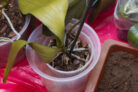
You’ll usually find orchids sold in clear plastic pots. There’s a reason for that! Their roots actually need light to stay healthy. You can definitely pop that clear pot into a decorative planter, just make sure the outer pot has a ledge or a “step” at the bottom so the orchid isn’t sitting directly in drained water.
The Best Potting Mix
The “soil” you use makes a huge difference. Whatever you do, don’t use regular potting soil or garden dirt—it’ll suffocate the roots. Orchids need a special orchid mix, which is usually a chunky blend of bark, moss, and other airy materials that hold moisture without getting soggy. Some growers also swear by Seramis for orchids to keep the hydration levels just right.