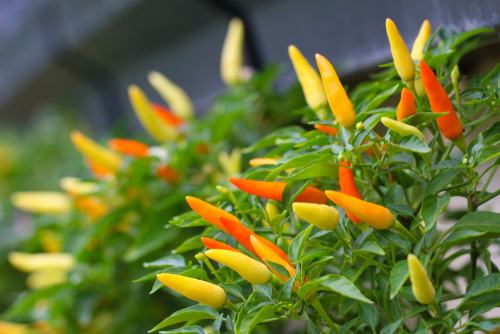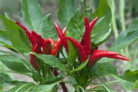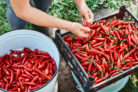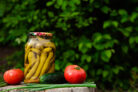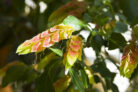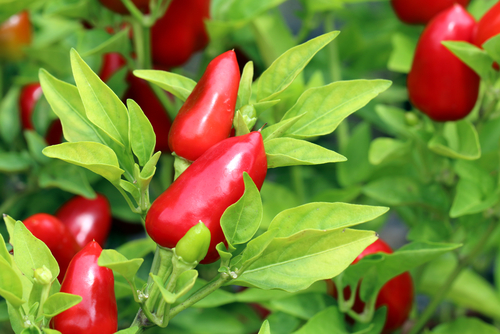
Ornamental peppers—often called “Medusa peppers” or “Christmas peppers”—are a total favorite for adding a pop of color to your indoor garden. Depending on how ripe they are, the peppers change colors, making them a gorgeous focal point for any sunny windowsill. And here’s the best part: those little peppers are actually edible if you grow them yourself!
Can You Really Eat Ornamental Peppers?
The short answer is yes! The colorful fruits aren’t toxic, and ripe peppers are perfectly safe to snack on. However, there’s a big “but” here: you need to know where your plant came from. Most ornamental peppers you find at big-box stores or supermarkets are grown as “decor only” mass-market items. That means they’ve likely been treated with heavy pesticides or chemical growth regulators that aren’t food-safe. If you bought it as a pre-grown houseplant, it’s best to just enjoy the view.
But, if you grew your peppers from seed at home, you can snack away without any worries! Just keep in mind that you should only eat the peppers themselves. Avoid eating these parts:
- The leaves
- The stems
- The roots
- Unripe peppers with green patches
Since peppers belong to the nightshade family, the green parts contain solanine, which can cause an upset stomach, nausea, or vomiting. Stick to the fully ripe peppers and you’ll be golden!
How to Grow Your Own Ornamental Peppers
To get started, grab some seeds from a reputable supplier. In February, sow them about a quarter-inch deep in high-quality seed-starting mix. Give them a gentle watering and cover the pots with plastic wrap to create a cozy, humid “mini-greenhouse.” You should see sprouts within about three weeks. Once the seedlings have a few leaves, transplant the strongest ones into their own pots. If you’re planning on eating them, make sure to use an organic, unfertilized veggie potting soil.
Finding the Perfect Spot
Young pepper plants love a bright spot with plenty of light, but they can be a bit sensitive to harsh, direct midday sun. They also aren’t fans of drafty hallways or heavy rain if they’re outside. A breezy windowsill or a greenhouse is usually the “Goldilocks” spot for them.
Watering and Feeding Tips
Ornamental peppers are thirsty plants, but they hate “wet feet” (standing water). To prevent root rot, I recommend adding a layer of clay pebbles at the bottom of the pot for drainage. Generally, you’ll want to water them about twice a week during the summer, but keep an eye on them during heatwaves—they might need a little extra drink. The goal is to let the top layer of soil dry out slightly between waterings, but never let it bone-dry. If the plant gets too thirsty, it’ll start to wilt and drop its flowers.
For fertilizer, use an organic liquid fertilizer throughout the growing season. The better the quality of the “plant food,” the happier your pepper plant will be—and a happy plant means way more colorful peppers for you to enjoy!