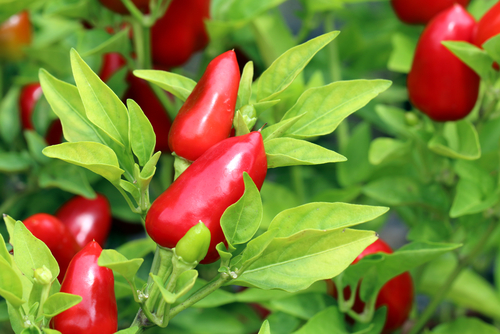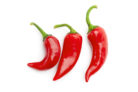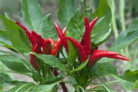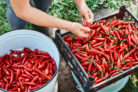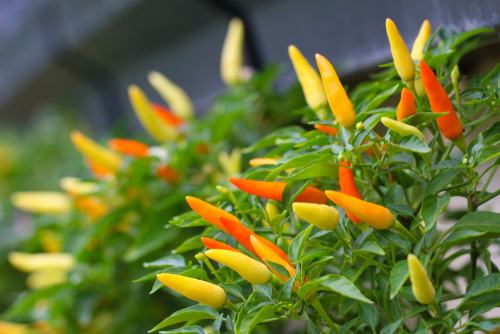
A pot of ornamental peppers is a total showstopper on any windowsill. Those bright red little fruits—often called “Medusa peppers” or “snack peppers”—are super decorative. And yes, you actually *can* eat them! Just a heads-up, though: they usually don’t taste like much because they’re bred for their looks rather than their flavor.
Are Ornamental Peppers Poisonous?
The good news is that these pretty houseplants don’t have any toxins in their fruit. You can grow them around kids and pets without worrying. However, there’s a catch with store-bought plants. Commercial ornamental peppers are often sprayed with pesticides or leaf shiners to keep them looking perfect. They’re also frequently treated with growth inhibitors to keep them cute and compact. Because of those chemicals, I wouldn’t recommend snacking on a plant you just picked up from the garden center. But, if you grow them yourself from seed without the nasty chemicals, the ripe fruits are perfectly safe to eat!
Growing Your Own Snack Peppers
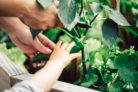
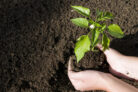
With the right seeds, you can easily grow these little guys in a pot right on your windowsill. Just make sure you pick the perfect spot:
- Sunny to partial shade
- No direct, scorching midday sun
- Airy, but away from cold drafts
- Protected from the rain
The Best Soil
Choosing the right soil depends on whether you want a decoration or a snack.
If it’s just for show, standard, well-draining potting soil works great. You can even mix in a little sand to help with drainage.
If you’re planning on eating them, go with a high-quality vegetable or herb soil. This type of soil is packed with the nutrients the plant needs, though you can always add a little organic fertilizer (like bone meal) if it needs a boost. Your mini peppers will thrive and produce tasty little fruits that are great in salads or just for snacking.
Always Let Them Ripen
These peppers are usually mild and packed with vitamins—a great little healthy snack. Just make sure the pods are fully ripe and a deep, vibrant red before you pick them. Since they belong to the nightshade family (just like tomatoes and potatoes), you should never eat the green parts, like the leaves, stems, or any green spots on the fruit. These parts contain solanine, which can cause nausea, vomiting, or an upset stomach if ingested.