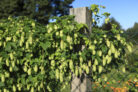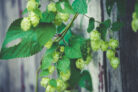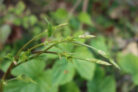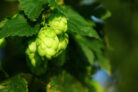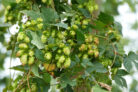
When you hear the word “ornamental hop,” you might be surprised to find a few different plants sharing the name. Depending on what you’re looking for, you might run into the perennial common hop (*Humulus lupulus*) or the annual Japanese hop (*Humulus japonicus*). However, if you’re looking for that charming indoor plant often found on windowsills, you’re likely looking for something else entirely!
What Exactly is Ornamental Hop?
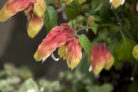
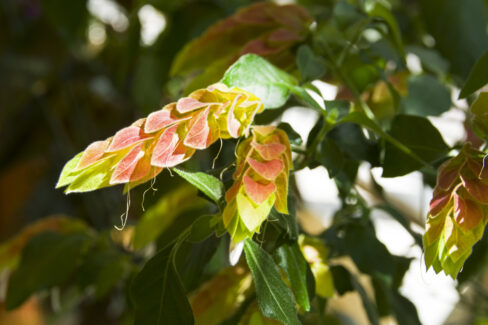
The plant most indoor gardeners call “Ornamental Hop” actually goes by the botanical names *Beloperone* or *Justicia brandegeana* (you might also know it as the Shrimp Plant). Most of these varieties are perennials when kept as houseplants. Fun fact: despite the nickname, it isn’t a true hop at all—it actually belongs to the Acanthus family!
So, why the name? Hobby gardeners and plant lovers started calling it “hop” because those delicate, yellow-toned bracts look strikingly similar to real hop flowers. It’s a favorite for indoor spaces because, with the right care, it can brighten up your home for many years.
Pro Tip: To keep your ornamental hop looking tidy and full over the years, it’s a great idea to give it a prune every spring.
Keeping Your Perennial Ornamental Hop Happy
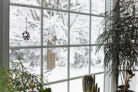
If you want your plant to show off those vibrant blooms year after year, the number one rule is: give it plenty of light! These plants are sun-seekers, but they do have a limit. They aren’t huge fans of being scorched by the intense midday sun. A south-facing window is perfect, as long as there’s a little bit of filtered shade during the hottest part of the day.
The good news is that these plants are pretty hardy and don’t require a ton of fuss. To ensure a long life, just keep up with a regular watering schedule and give it a little liquid fertilizer about once a week. Just make sure the root ball never dries out completely—they like to stay hydrated!
By the way: If your plant starts looking a bit pale, it’s probably craving more sun. When they don’t get enough light, that brilliant yellow color can fade fast. Since they are true light-lovers, make sure they have a very bright spot to hang out in during the winter months, too.
How to Grow More
If you’re working with the perennial variety, you’ll notice it grows quite fast and often produces offshoots, which are super easy to use for propagation. On the other hand, the annual Japanese hop is usually grown from seed. To get those started, just tuck a few seeds into some seed-starting mix in a pot, give them a light watering, and watch them take off!