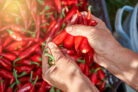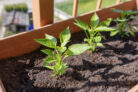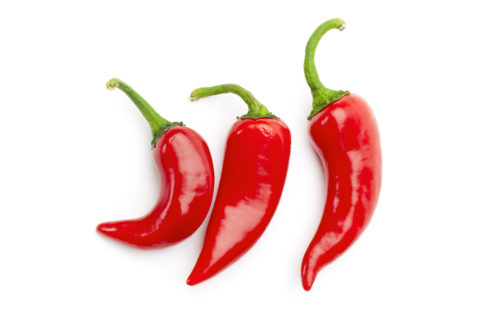
Peppers and chili peppers both belong to the nightshade family. In fact, they’re part of the same genus, but when it comes to growing them in your garden, they aren’t exactly twins. There are some key differences you’ll want to keep in mind to get the best harvest.
Germination Time
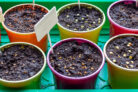
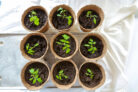
The first difference pops up before the plants even break the soil. Bell peppers usually sprout within a week or two. Chili peppers, on the other hand, can be a bit more stubborn—depending on the variety, they can take up to four weeks to show their faces. Because of this, you’ll want to start your chili seeds early. Aim to have them in the dirt by early February at the latest. For bell peppers, you can afford to wait a few weeks; late February is usually just fine.
Pro tip: If you want to speed things up, try soaking your seeds in lukewarm water for about 24 hours before planting. This softens the outer shell and makes it much easier for the little seedling to break through.
Heat Levels
This is the obvious one! While bell peppers are known for being mild and even pleasantly sweet, chili peppers bring the heat. Chilis offer a huge range of flavors, from mild and fruity to “call the fire department” spicy. Because of that kick, they’re often confused with Jalapeños, though there are definitely distinct differences between the two.
Keep in mind that the heat level of a chili can change depending on when you pick it. Some varieties are quite spicy when they’re still green, while others don’t reach their full “fire potential” until they are completely ripe. Check your seed packet for the best time to harvest for the flavor profile you’re looking for.
Preserving the Harvest
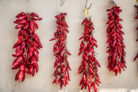
When it comes to saving your harvest for later, chilis are much lower maintenance than bell peppers. Since chilis usually have thinner walls, you can easily air-dry the whole fruits. A popular trick is to string them together into long “ristras” or chains. They look beautiful hanging in your kitchen and stay handy whenever you need to spice up a dish.
You *can* dry bell peppers, but it’s a lot more work. Because they are so fleshy, you have to core them and slice them into small pieces so they dry fast enough to avoid molding. Plus, while chilis often get more intense and aromatic after drying, bell peppers tend to lose a lot of their signature flavor in the process.