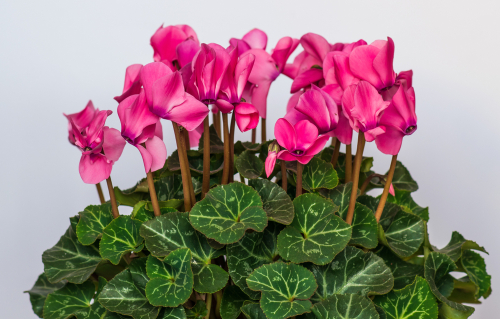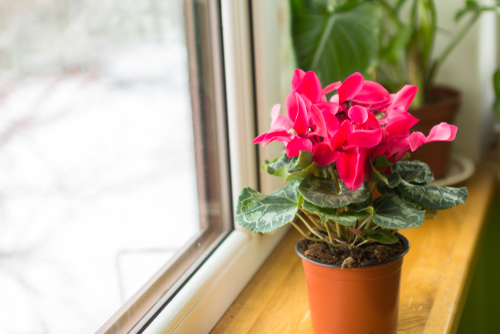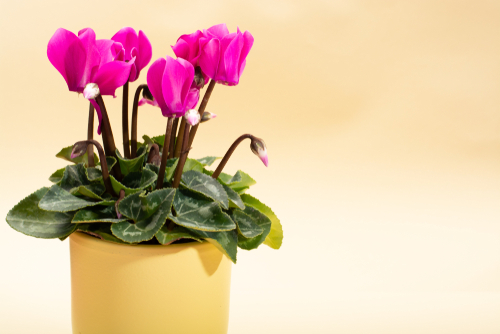
Whether you’re keeping them indoors as houseplants or tucking them into your flower beds, cyclamens are absolute showstoppers—provided you give them the right spot and a little TLC. One of the biggest secrets to keeping these beauties happy is mastering the art of watering.
How to Water Your Cyclamen the Right Way
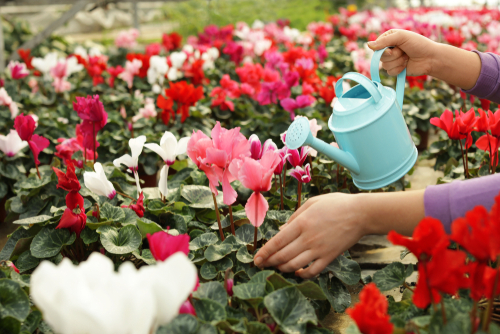
Cyclamens can be a bit picky! They love a regular drink of lukewarm, settled water. The best trick is to pour the water directly into the saucer or cachepot rather than over the top of the plant. Let the plant soak up what it needs for about 30 minutes, then be sure to dump out any leftover water. These guys hate “wet feet” (standing water), which can lead to rot. Wait until the top layer of soil feels dry to the touch before you reach for the watering can again. Here are my golden rules for watering:
- Keep the flowers and leaves dry—no overhead splashing!
- Never pour water directly onto the tuber (the bulb-like base).
- Always water from the bottom.
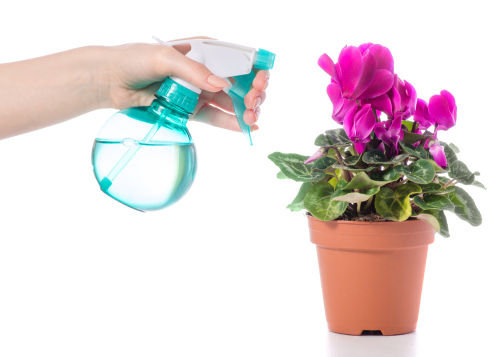
- Skip the misting; they don’t need the extra humidity on their foliage.
- Always drain excess water.
- Use room-temperature, soft water (low in lime) if possible.
- If you prefer the “dunking” method, submerge the pot until air bubbles stop rising, then let it drain completely.
How Often Should You Water?
The “when” depends on a few things. When your cyclamen is in full bloom, it’s going to be thirstier. Once the flowers fade and the plant enters its dormant phase or heads into winter, you can scale back—just keep the soil lightly moist but never soggy. Generally, indoor cyclamens need a bit more frequent attention than their outdoor cousins.
Outdoor cyclamens usually love living under shrubs or hedges in a nice shady spot. However, those leafy canopies can act like an umbrella, so check them regularly to make sure rainwater is actually reaching the soil. If it’s a dry spell, you’ll need to step in with the hose. If you move your indoor cyclamens outside for the summer, a spot under a hedge or in the dappled shade of larger patio planters is perfect. Just keep a close eye on them; even after a rainstorm, the dense leaves can keep the soil surprisingly dry. On the flip side, if a massive rainstorm hits, make sure they have some protection so the tubers don’t get waterlogged and rot.
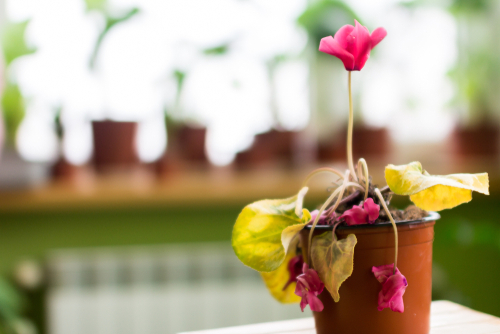
Proper watering is especially crucial right after planting, repotting, or propagating, and it goes hand-in-hand with your fertilizing routine. If you get the moisture levels wrong, the plant can get stressed, making it a magnet for pests and diseases. Keep that soil “just right,” and your cyclamens will thank you with gorgeous blooms!