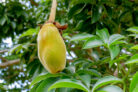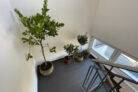
The Baobab tree (also known as the Monkey Bread tree) hails from the sunny savannas of Africa, which means it’s definitely not a fan of the cold. To keep yours happy, you’ll need to bring it indoors for a frost-free winter. Luckily, these trees have a pretty cool trick for surviving the off-season, making them surprisingly low-maintenance roommates.
Soaking Up the Summer Sun
In the wild, Baobabs live in arid regions where rain is a rare treat. To survive, they’ve evolved into expert water-savers. They soak up every drop they can during the rainy season and store it right in their trunks.
Because the Baobab is basically a giant living water tank, you barely need to water it at all during the winter. In fact, you can often skip watering entirely! Just keep a quick eye on it to make sure the roots don’t turn into total dust.
Finding the Right Temperature
The “sweet spot” for a Baobab in winter is between 50°F and 60°F (10° – 15°C). If it gets much colder than that, your tree could suffer permanent damage or even die. While you can certainly keep your Baobab as a year-round houseplant in a warmer room, keep in mind it’ll require a little more attention if it doesn’t go fully dormant.
Watering and Feeding
Even if you’re keeping your tree in a warmer spot indoors, you should still water it very sparingly. As for fertilizer? You can go ahead and put that away until spring—your Baobab doesn’t need any extra nutrients during its winter nap.
If you notice the branches starting to droop or feel soft to the touch, take heed! This is usually a red flag that the soil is too wet, which can lead to root rot. If this happens, check the root ball immediately. If you see any mushy, rotting roots, it’s time to repot your Baobab right away.
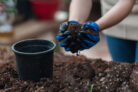
Gently shake off the old soil and trim away any damaged roots. Replant it in a loose, well-draining cactus mix, and—this is the hard part—don’t water it at all for the first few weeks. This gives the tree a fighting chance to heal and recover.
Keeping Pests at Bay
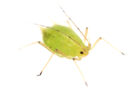
If your winter storage area is a bit on the warm side, you might run into some uninvited guests. Aphids, mealybugs, and spider mites love warm, dry indoor air. A great way to prevent an infestation is to give the leaves a light misting with water every now and then to keep the humidity up just enough to discourage those pesky critters.