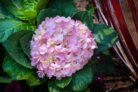
Hydrangeas are generally pretty tough when it comes to the cold, but there are definitely times when they need a little extra TLC to make it through the winter. If you want to see those beautiful blooms again next spring, here’s the lowdown on how to protect your hydrangeas from the frost.
When Does Your Hydrangea Need Extra Help?
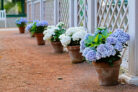
If you’ve got young or newly planted hydrangeas, keep in mind they aren’t quite as hardy as the older, established bushes. You also need to pay special attention if you’re growing hydrangeas in pots. Since the soil in a container freezes much faster than the ground—which acts as natural insulation—potted plants are more vulnerable to the chill.
Here are the best materials to keep your hydrangeas cozy:
- Bark mulch
- Evergreen brushwood or fir branches
- Garden fleece or burlap
For your potted plants, wrap the outside of the container in garden fleece to insulate the roots. Top off the soil with a layer of bark mulch and move the pot to a spot that’s shielded from the wind. If you prefer, you can move your potted hydrangeas into the basement for the winter. Just make sure the room is well-ventilated and not too dry; otherwise, your plant might become a magnet for pests.
Skip the Fall Pruning
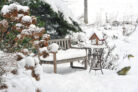
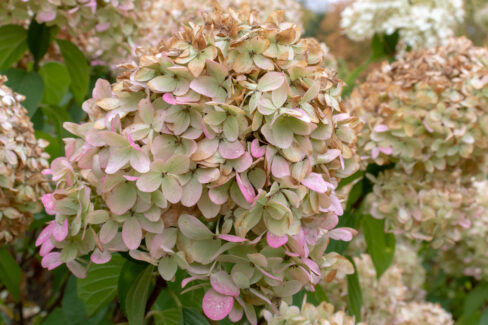
One of the biggest mistakes you can make is pruning your hydrangeas too heavily before winter hits. My advice? Leave those faded flower heads and dry stems right where they are. Not only do they look beautiful when dusted with snow, but they actually provide a layer of natural protection for the new buds. In the spring, you can clear away the dead weight so the plant can put all its energy into fresh, green growth.
To prep for the cold, spread some bark mulch around the base of the plant. Only water your hydrangeas on frost-free days so the roots don’t get damaged. You should also stop fertilizing once fall arrives; the plant needs to enter its natural dormant phase to rest. Once spring rolls around and you start fertilizing again, your hydrangea will bounce back quickly. Just don’t forget to keep an eye on your soil’s pH level to keep those colors vibrant!