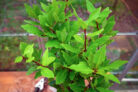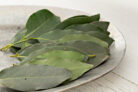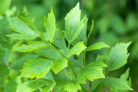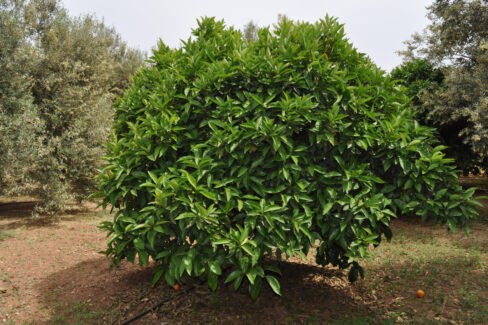
Unlike cherry laurel, the Bay Laurel (Laurus nobilis) isn’t naturally winter-hardy. This means if you want your plant to survive the cold months, you’ll need to take a few extra steps to keep it cozy. Here’s everything you need to know to get your bay laurel through the winter safely.
Origin and Characteristics
The Bay Laurel originally hails from the Mediterranean. In its sunny home, it never has to deal with the freezing winters we get here, so it’s just not built for sub-zero temperatures. Ideally, before the first frost hits, you should move your plant into a space that stays between 32°F and 50°F (0°C to 10°C). If you’re growing your laurel in a pot or container, a garage or a cool room is usually a great spot.
Great places for overwintering include:
- Unheated greenhouses
- Garages with windows
- Sunrooms or conservatories
Even though it’s winter, don’t leave your plant in the dark! It still needs a bright location with some natural light. Since the plant goes into a bit of a dormant phase during the cold season, you can also dial back the watering. Bay laurels need significantly less water in the winter months than they do in the summer.
Winter Care and Maintenance
Believe it or not, you can actually “harden off” your laurel to help it handle the cold a bit better. Plants that are gradually exposed to dropping temperatures rather than being hit by a sudden frost are often much tougher. A well-hardened tree can sometimes handle dips down to about 20°F (-7°C). If it gets too cold, the plant might drop its leaves, but the real priority is protecting the roots.
If your laurel is planted in the ground, the soil provides some natural insulation. However, if it’s in a container, the roots are much more vulnerable. I recommend wrapping your pots in burlap or garden fleece to create a buffer against the biting cold.