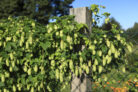
Hops aren’t just for brewing your favorite craft beer or making herbal remedies. These days, they’re becoming a huge hit in home gardens as ornamental plants because they grow incredibly fast. Since hops are perennials, they’ll come back year after year to green up your space. The best part? They are naturally cold-hardy. For the most part, you can just let them do their thing, though potted hops do need a tiny bit of extra TLC when the temperature drops.
Growing Hops in the Ground vs. Containers
First things first: Hops are tough. You can successfully grow them:
- Directly in your garden beds
- In large pots on your balcony or patio
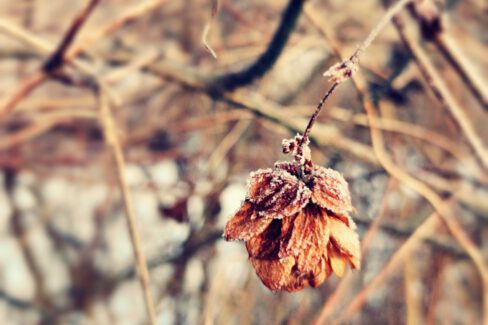
In the spring, these plants take off like a rocket, reaching several feet in height in just a few weeks. Once fall hits, the foliage will dry up and the plant will go dormant, retreating into the soil for a winter nap.
Whether your hops are in the ground or in a container, they can handle freezing temperatures without much fuss.
How Hardy Are They?
If you’ve planted your hops in the garden, you can pretty much kick back and relax. Common hops and wild varieties are built for the cold, so you don’t need to take any special precautions. However, if you’re growing hops in a pot, the roots are a bit more exposed to the elements, so you’ll want to provide a little protection.
Winterizing Your Potted Hops
When the leaves start turning brown, your hops are telling you they’re ready for winter. Ideally, you should leave the dried vines alone for now. Wait until spring to cut them back to ground level so the new shoots have a fresh start.
If you’re a neat freak and want to tidy up the garden in the fall, make sure you leave at least 20 to 24 inches of the vine standing. Don’t cut the rest until spring! Those withered stems actually hold nutrients that the plant uses to stay healthy during the dormant season.
To keep your potted hops cozy, try sliding a piece of Styrofoam underneath the pot to insulate it from the frozen ground. You can also wrap the container in some bubble wrap or burlap. This keeps the root ball from freezing solid and ensures your hops come back stronger than ever when the sun returns.