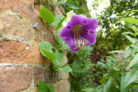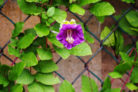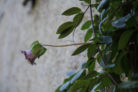
Back in its native Mexico, the Cathedral Bells vine (also known as Cup and Saucer vine) is a sturdy perennial that lives for years. However, here in the States, most of us treat it as an annual because it just can’t handle the cold. But here’s a pro tip: if you give your vine a frost-free place to crash for the winter, you can keep it growing for several seasons!
How much frost can Cathedral Bells handle?
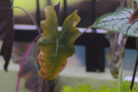
The short answer? None at all. Even temperatures hovering near freezing are enough to kill it off. Things start getting dicey for the plant once it hits 50°F, and if it drops below 41°F, you’re looking at serious damage.
How do I prep my vine for winter?
Since it won’t survive outside at its usual spot, you’ll need to move it indoors. Once the autumn chill sets in, prune the vines back to about 20 inches long. Carefully dig the plant up and move it into a pot filled with standard potting soil.
What makes a good winter home?
Because Cathedral Bells keeps its leaves through the winter, it needs plenty of light. A bright spot is a must! Think along the lines of a cool bedroom, a well-lit hallway or stairwell, or an unheated sunroom. You want to keep the temperature steady—ideally between 50°F and 54°F.
When should I bring it inside?
Keep a close eye on the weather forecast as fall rolls around, especially if you live in a cooler climate. Once nighttime temps start dipping below 50°F, it’s time to move your vine into its winter quarters. If you have the space, it’s better to bring it in a little early; a surprise overnight frost can end your gardening season real quick.
Quick Summary:
- Doesn’t tolerate temperatures below 50°F for long.
- Major damage can occur at 41°F or lower.
- Ideal winter spot: Bright and cool (around 50°F to 54°F).
- Winter care: Water sparingly, skip the fertilizer, and keep an eye out for spider mites.
- In the spring, gradually acclimate it to the outdoors.
- Don’t plant it back outside until the danger of frost has completely passed.
Pro Tip: If your winter storage area is too warm or the air is too dry, your vine might attract spider mites. Keep a lookout!