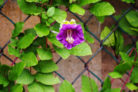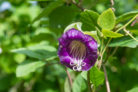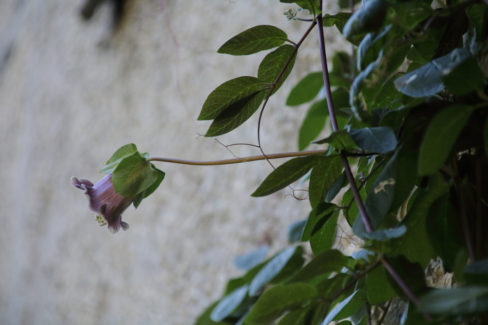
It’s no surprise that the Cup and Saucer Vine is a total favorite for home gardeners. This climber is a real speed demon when it comes to growth, and under the right conditions, it’ll treat you to a waterfall of bell-shaped flowers from mid-summer right up until the first frost. At least, that’s the dream!
Why isn’t my Cup and Saucer Vine blooming?
If your vine is looking a little shy on the flower front, there are a few usual suspects. First, you have to figure out if the plant is refusing to bloom entirely or if the flowering season just got cut short. If it started strong but then quit on you, it might be because you skipped the “deadheading.”
On the other hand, if you haven’t seen a single bud, the problem is likely a bad location or a hiccup in your care routine. If you started your vines from seed, timing is everything. A common mistake is a late sowing. You really want to get those seeds started indoors by February to give the plant enough lead time to mature and prep those blooms.
In the shade, this vine gets pretty lazy about flowering. But even in a sunny spot, it’s a hungry plant. Without enough nutrients, it just won’t have the energy to produce those show-stopping bells. This is especially true if you’re growing it in a container—regular fertilizing is key!
How can I encourage more blooms?
The secret to a flower-heavy vine starts before you even plant it. Choosing the right spot is half the battle: the more sun it gets, the happier it’ll be. Make sure the soil is nice and loose so the roots can breathe.
Once the flowering starts, you’ve got to stay on top of maintenance. Make it a habit to snip off any wilted flowers. If you leave them on, the plant shifts its energy into making seeds instead of pumping out new buds.
The Checklist for a Long, Lush Bloom Season:
- A sunny, warm spot is a must.
- Nutrient-rich soil and/or a regular feeding schedule.
- Consistent deadheading (aim for at least once a week).
- Early indoor sowing (late winter/early spring) if growing from seed.
- If you’re overwintering your vine, keep it in a bright, cool spot.
Pro Tip: If you nail the location and keep up with a little TLC, the Cup and Saucer Vine is incredibly reliable, blooming its heart out until the frost arrives.