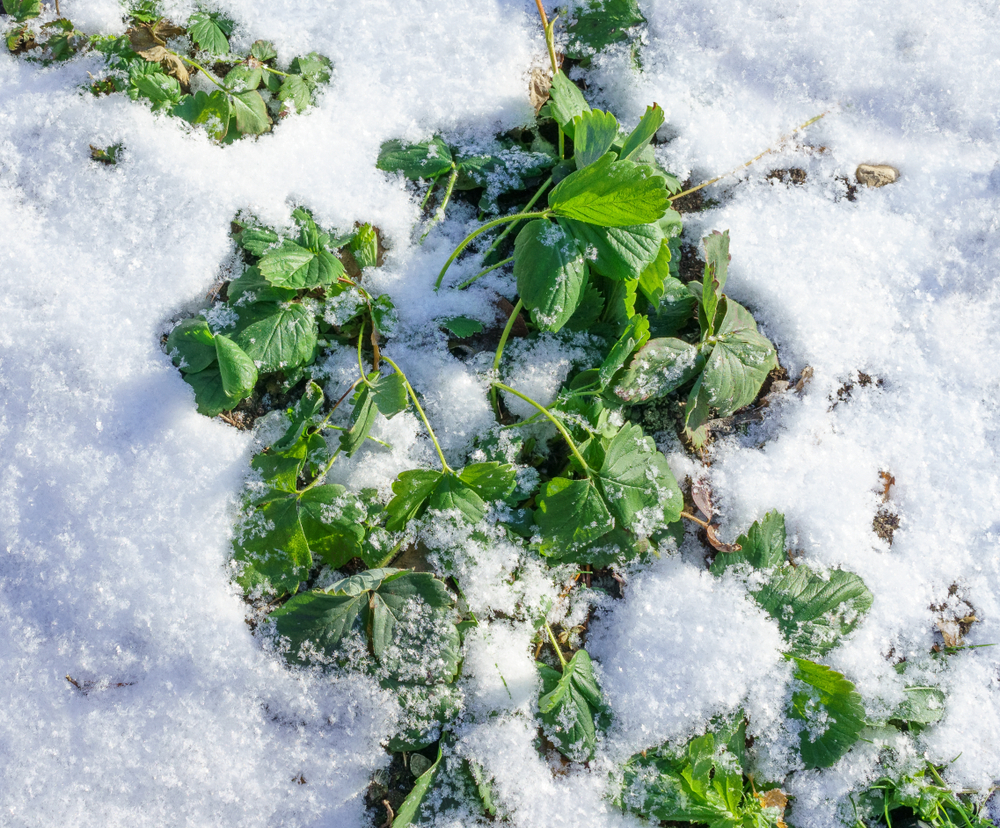
Basically, strawberries are pretty hardy plants—after all, they are perennials that come back year after year. However, they aren’t 100% frost-proof, so they’ll need a little help from you to make it through the cold. Here’s everything you need to know to keep your strawberry patch happy until spring.
Helping Garden Strawberries Survive the Winter
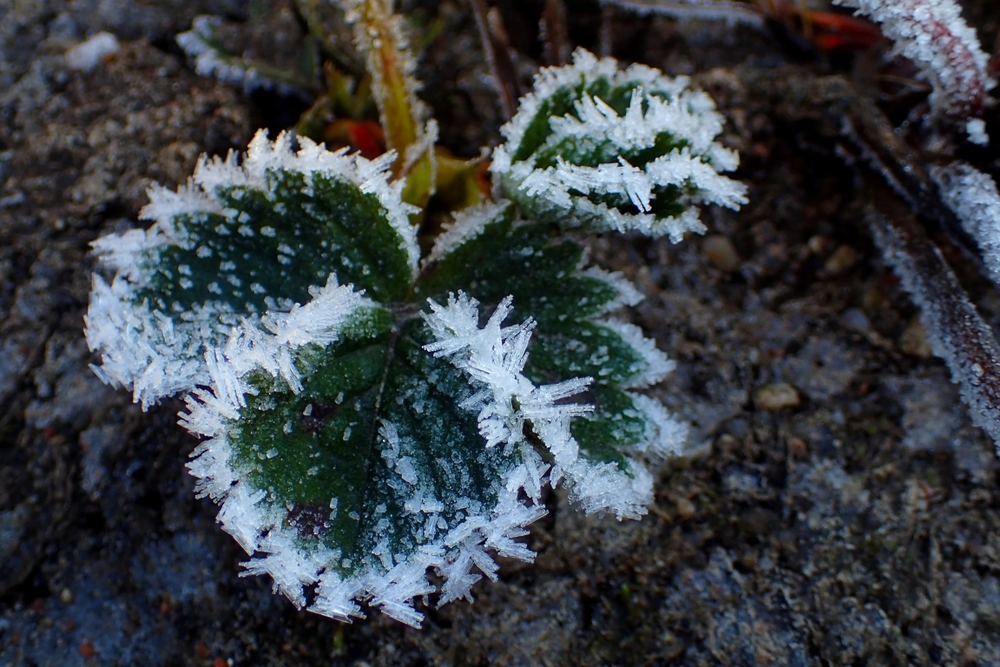
If you’re growing your strawberries directly in the garden, they’re right on the front lines when the temperature drops. The real danger starts when frost seeps deep into the soil. Since strawberries are shallow-rooted plants, their root systems don’t go very deep, making them extra vulnerable to freeze damage.
Once you’ve finished your final harvest, it’s time to prune the plants back. Cut them down but be careful to leave the “heart” (the center crown) intact. It’s especially important to clear away any wilted or dead leaves. If the days have turned chilly and you still have unripened fruit hanging on, don’t worry about them—they won’t ripen now anyway, so you can clear them out. After pruning, tuck your plants in with a thick layer of straw. This acts like a cozy blanket for the roots, keeping the frost at bay.
For an extra layer of protection, you can use a fleece or plastic garden tunnel. Just a heads-up: if we get a warm spell in late winter, you’ll need to remove it immediately. As soon as the threat of hard frost has passed, let them breathe. If it gets too warm under there, you’re looking at moisture buildup, which leads to mold and rot.
Overwintering Potted Strawberries
Many varieties do great in containers, but potted strawberries need a little extra TLC because the soil in a pot freezes much faster than the ground. Just like with garden plants, you’ll want to prune them back after the last harvest, making sure not to nick the center crown. Then, add a layer of straw or bark mulch to the top of the soil.
To keep them warm, move your pots right up against a house wall, which naturally radiates heat. To prevent the cold from creeping up through the bottom of the pot, place them on an insulating base like a piece of Styrofoam or a thick wooden board. Another pro-tip? Wrap the entire pot in bubble wrap—just make sure you cover the bottom, too!