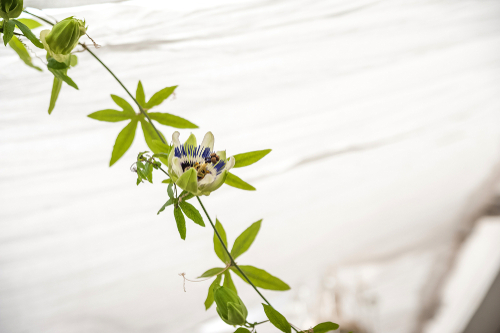
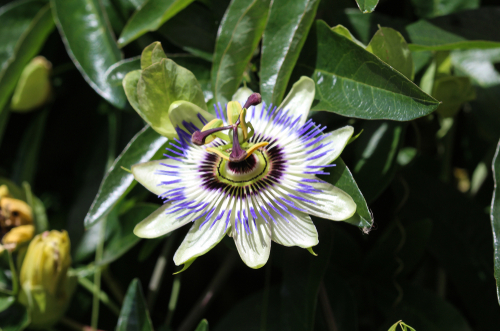
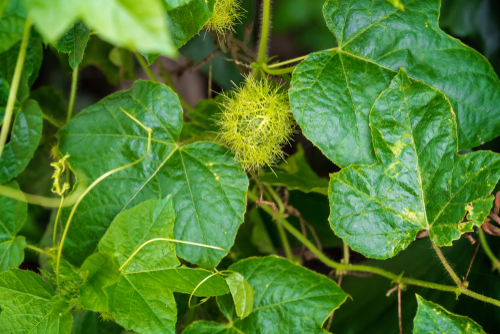
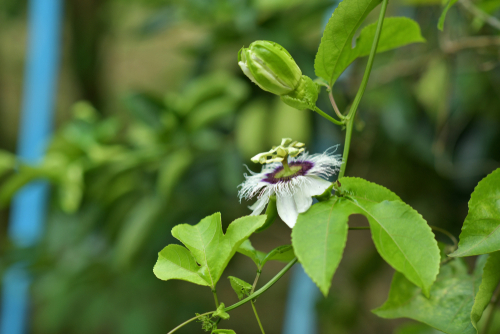
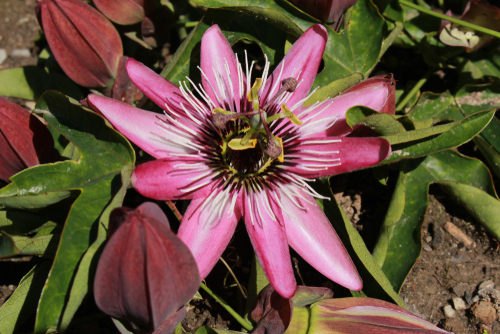
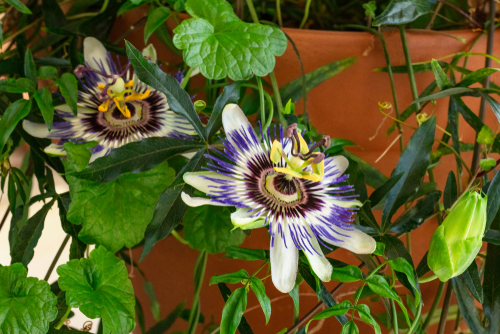
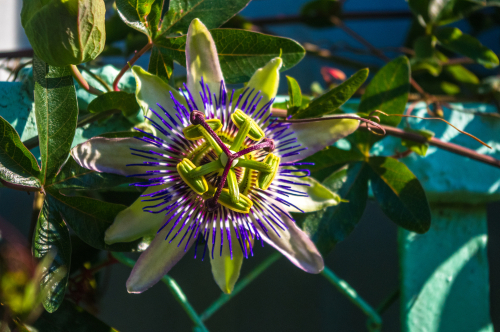
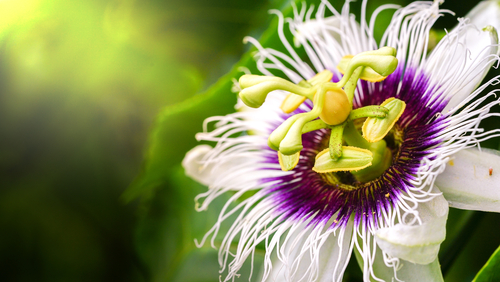
With over 500 different species out there, passion flowers are almost exclusively native to Central and South America. As you can imagine, these beauties are used to consistently warm, tropical weather. While there are a few “hardy” varieties available, as a general rule, you shouldn’t leave your *Passiflora* outside to brave the winter elements.
Time to ease off the fertilizer
Preparing your passion flower for winter actually starts as early as mid-August. To keep them thriving and covered in those stunning blooms, it’s great to feed them with liquid fertilizer every two weeks during the growing season. However, these plants need plenty of rest during the winter months. While you’ll still need to keep them watered, they don’t need the extra nutrients when they aren’t actively growing. Start scaling back the fertilizer in mid-August and stop feeding them entirely by the end of September.
Bring them in before the first frost
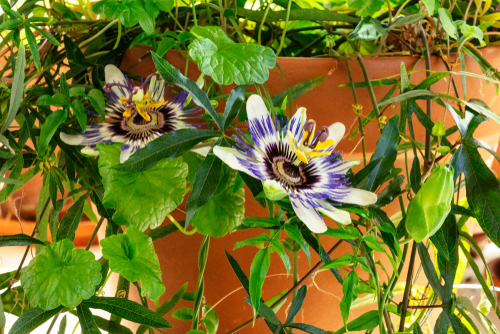
Since passion flowers aren’t big fans of the cold, you’ll want to move your pots indoors before the first overnight frost hits. The best spot for them is somewhere bright but cool—think sunrooms, unheated enclosed porches, or greenhouses. If your plant went a little wild over the summer (which they tend to do!), it’s a good idea to give it a trim before moving it. Pruning it back not only saves space but also helps the plant get by with much less light during the dark winter days.
Getting ready for spring
Once February starts winding down, it’s time to ramp up your passion flower care again. Start watering a bit more frequently and reintroduce fertilizer to wake the plant up. Depending on your local weather, you can usually move your pots back outside starting in March or April.