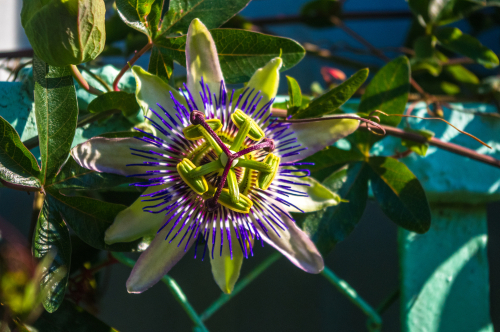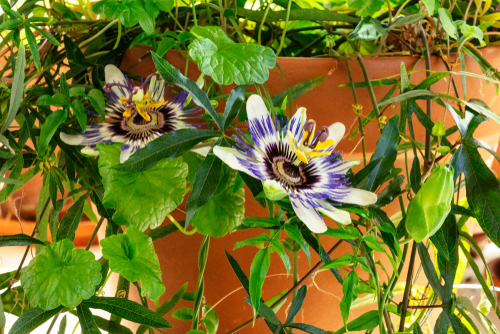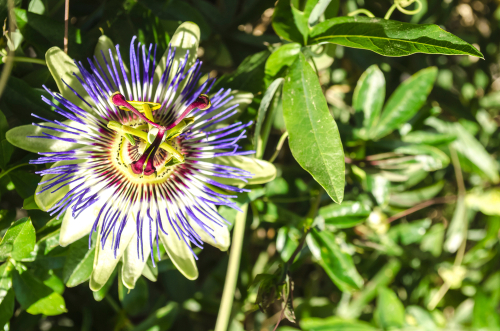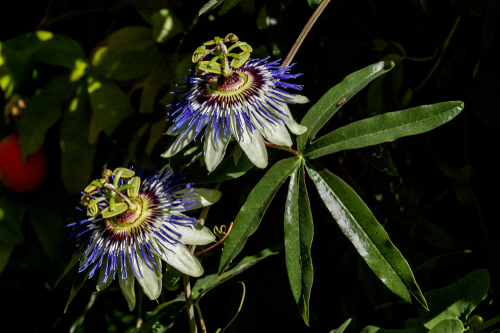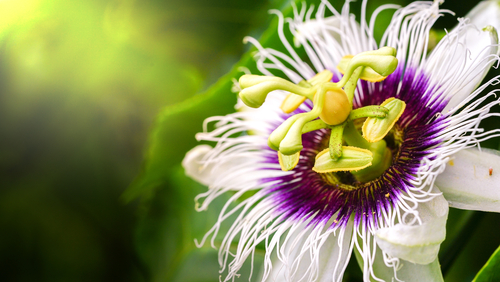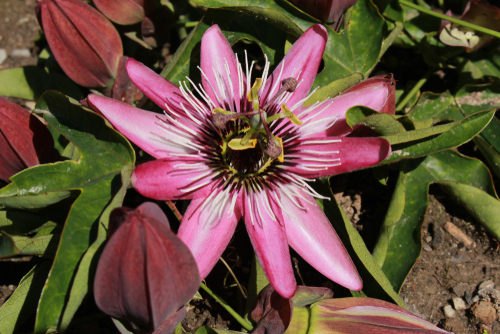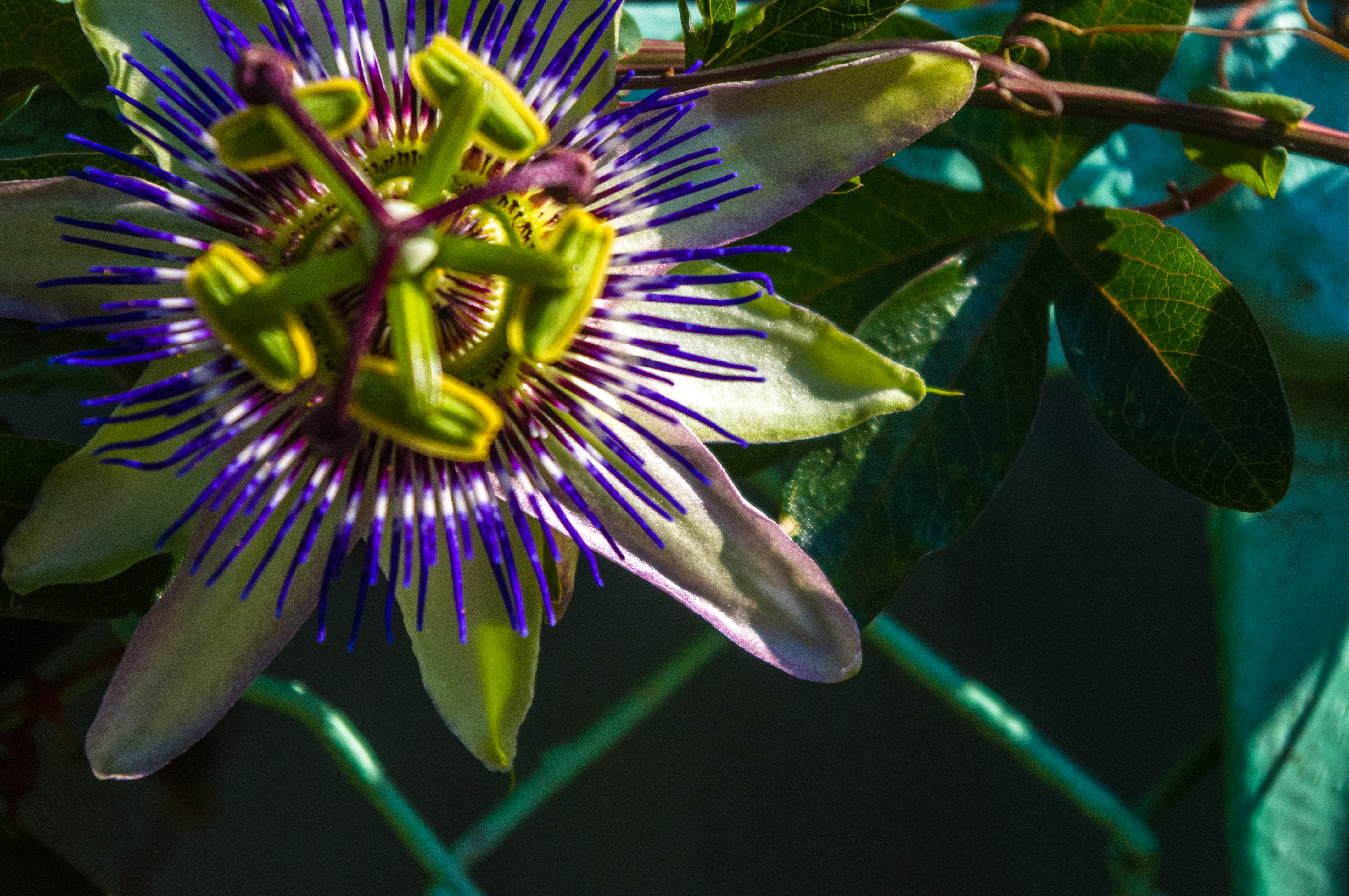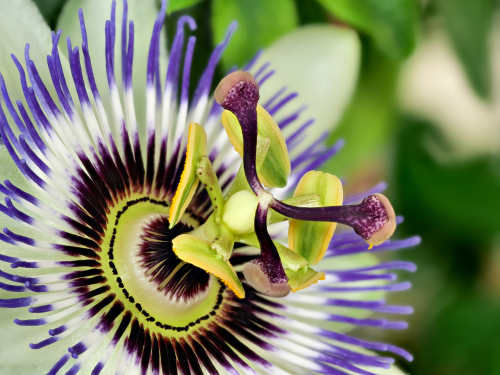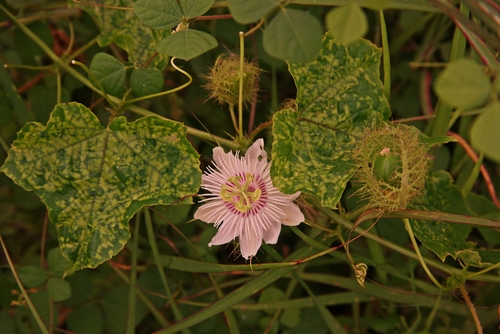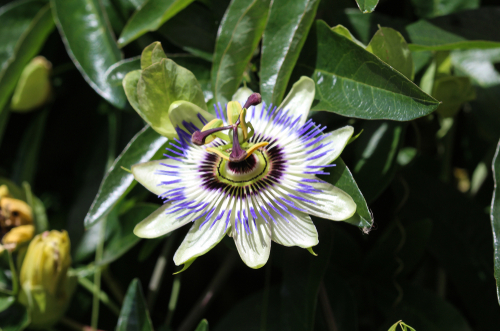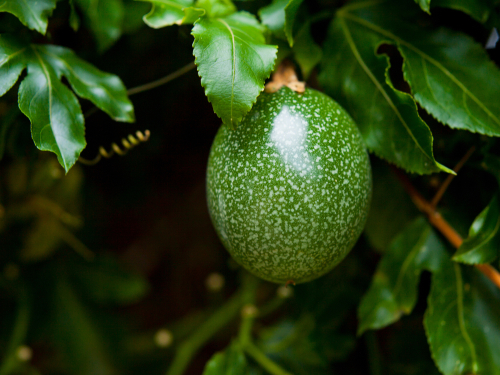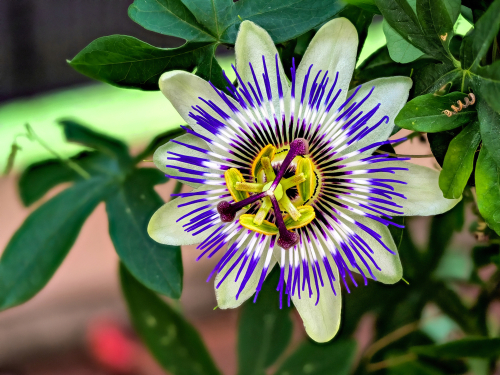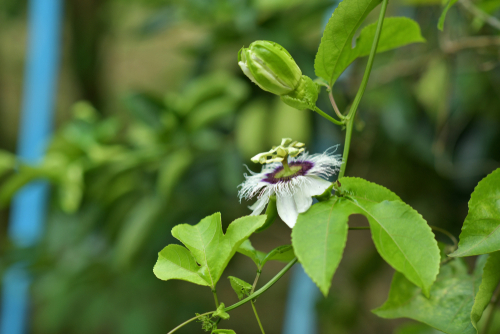
With over 500 species in the family, almost all Passion Flowers (*Passiflora*) call Central and South America home. Because they’re used to those balmy tropical vibes, most varieties aren’t exactly fans of a cold winter. In fact, truly hardy types are the exception to the rule, which means you’ve got to be a bit strategic if you want to grow them in your backyard.
Planting Your Passion Flower
If you’re looking to add some tropical flair to your garden, picking the right spot is half the battle. To keep your *Passiflora* happy, look for a location that offers:
- Plenty of direct sunlight
- Good protection from the wind
- Nutrient-rich soil
Ideally, you’ll want your soil to be slightly acidic, with a pH between 5.5 and 6.0. This is the “sweet spot” that helps this climbing vine really thrive.
The Container Trick
Since most Passion Flowers can’t handle a frost, you’ll need to move them indoors to a cool, bright spot once autumn rolls around. Here’s a pro tip: instead of planting them directly in the ground, keep them in a container. You can actually bury the entire pot in your garden bed for the summer! This makes it way easier to bring them inside for the winter without shocking the root system by digging them up.
Keep the Water Coming
If you want those stunning blooms, you’ve got to stay on top of your watering game. These plants are thirsty! You’ll need to water them regularly, but be careful not to overdo it—they hate “wet feet,” so make sure the soil drains well to avoid standing water.
Don’t Forget to Feed Them
Between May and September, Passion Flowers are busy producing those iconic, intricate blossoms, and that takes a lot of energy. To keep the show going, you’ll need to fertilize regularly. A liquid fertilizer mixed into your watering can works wonders. How often you need to feed them depends on your specific variety and your soil quality, but as a general rule of thumb, aim for at least once every two weeks during the growing season.