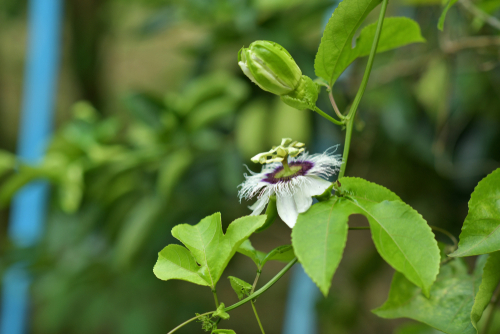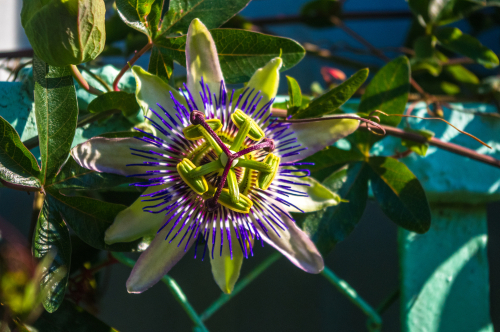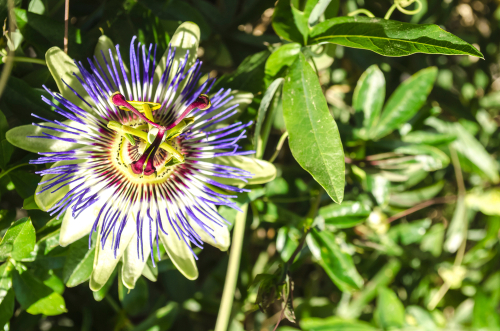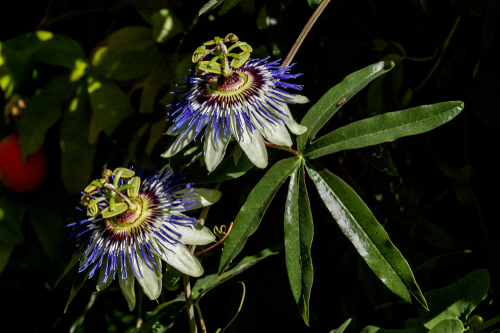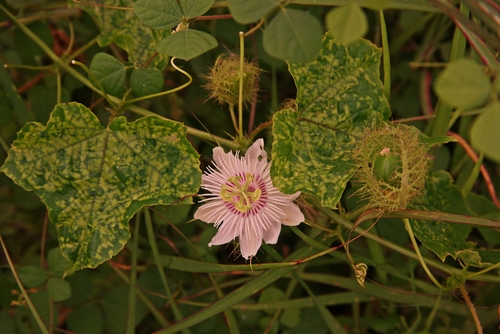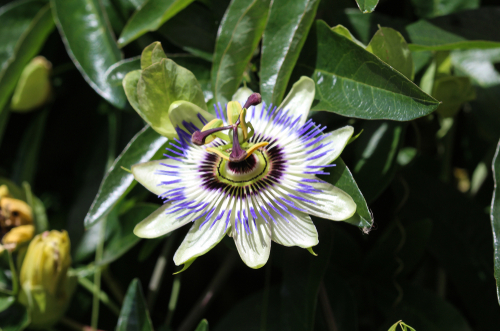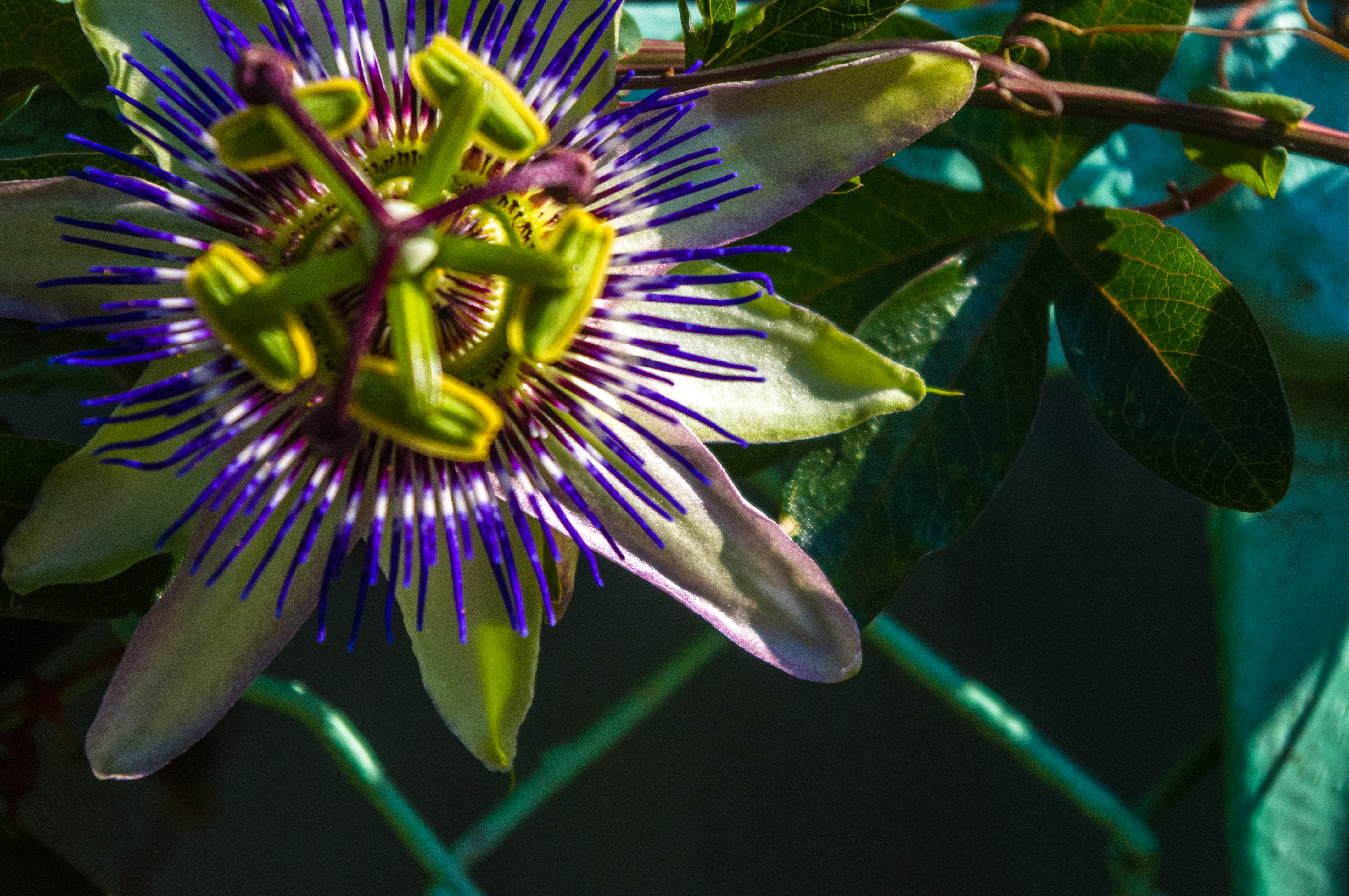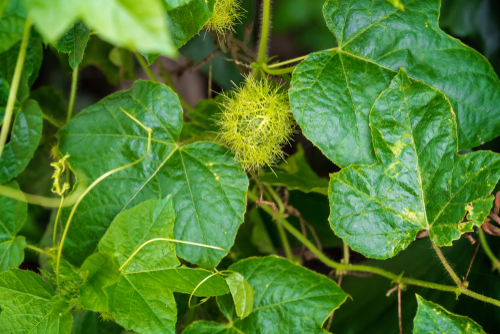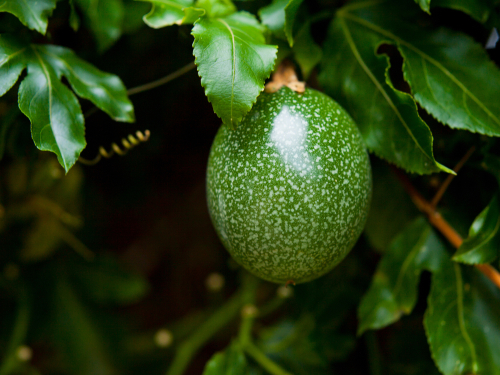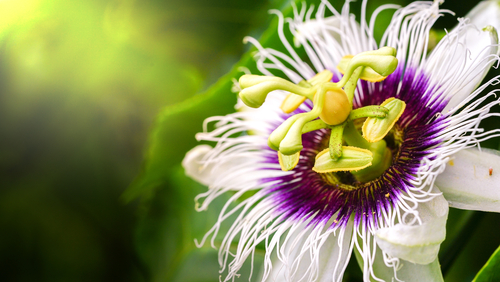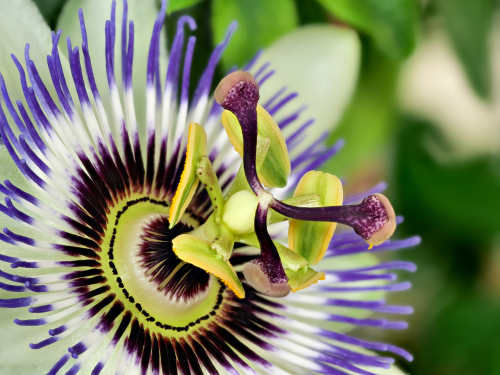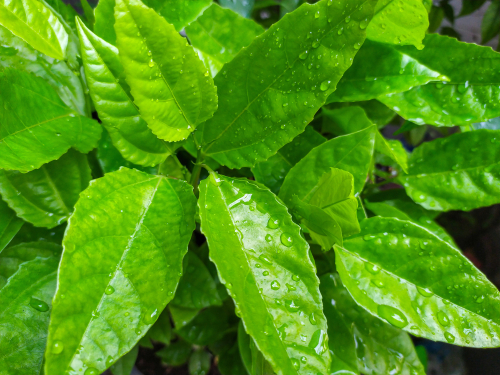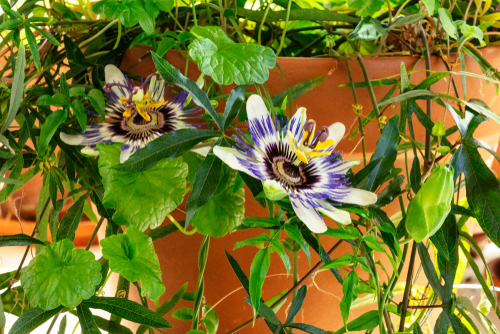
With their stunning, intricate blooms and vibrant colors, passion flowers are easily one of the coolest plants you can add to your garden, balcony, or patio. But let’s be real: *Passiflora* can be a bit of a diva. They have some specific needs, but if you get the care right, you’ll be rewarded with a long, lush blooming season that’ll have all your neighbors asking for tips.
The Perfect Spot and Soil
Good passion flower care starts with finding the right location. Since most of the 500+ species hail from Central and South America, they are total sun-worshippers. You’ll want a spot that gets plenty of light and warmth but is also shielded from harsh winds. Because most varieties aren’t winter-hardy in many climates, it’s usually best to plant them in containers. Use a high-quality potting soil, but mix in some sand to keep things nice and airy.
Repotting Every Few Years
Passion flowers are “heavy feeders,” meaning they crave lots of nutrients. Even if you fertilize regularly, the soil in a pot eventually gets “tired” and loses its structure after about three to five years. When that happens, it’s time to give your plant a fresh start in a new pot with fresh soil.
Watering Wisdom
To keep your passion flower happy, you need to find the “Goldilocks” zone of soil moisture—not too dry, but definitely not soggy. During the hot summer months, you’ll need to water generously and often. However, these plants hate “wet feet” (standing water). To prevent root rot, add a layer of expanded clay pebbles (LECA) at the bottom of the pot for drainage, and make sure your container has plenty of drainage holes. Pro tip: Aim your watering can at the base of the plant. Passion flowers aren’t big fans of getting their leaves and blossoms soaked.
Feeding Your Plant
You only need to fertilize during the active growing season. If you’re keeping your passion flower as a year-round houseplant, you can give it a little food in the winter, but otherwise, hold off. From spring through summer, a standard liquid fertilizer or a bloom booster every two weeks works wonders. If you’re a “set it and forget it” kind of gardener, slow-release fertilizer pellets are a great way to ensure your plant stays fed without the constant upkeep.
Pruning for Success
If you want a healthy, manageable plant, pruning is a must. The best time to do this is late winter or early spring (late February to March). Cut back the side shoots to about 4 inches (10 cm), and keep the main leader (the central stem) around 6 to 8 inches (15-20 cm) long. Always use sharp, clean shears. I actually recommend disinfecting your blades first to prevent any plant diseases from hitching a ride.
Winter Care
To prep your passion flower for its winter nap, start cutting back on fertilizer in mid-August and stop completely by September. Before the first frost hits, move your pots indoors to a bright, cool room. Sunrooms or unheated (but frost-free) greenhouses are the perfect winter retreats for these tropical beauties.
To recap, here’s your passion flower cheat sheet:
- Find a sunny, sheltered spot.
- Use nutrient-rich, well-draining soil.
- Water regularly (but watch out for standing water!).
- Fertilize during the growing season.
- Prune annually in early spring.
- Move indoors before the first frost.