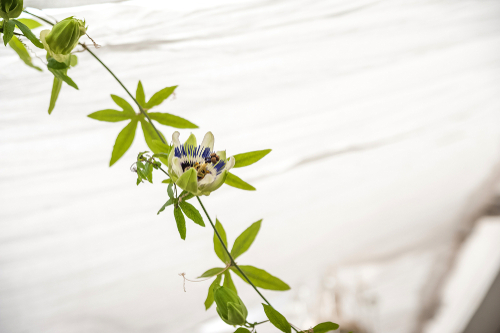
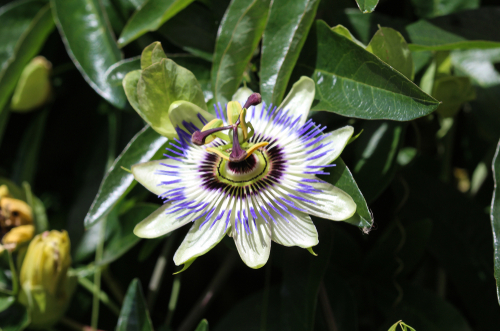
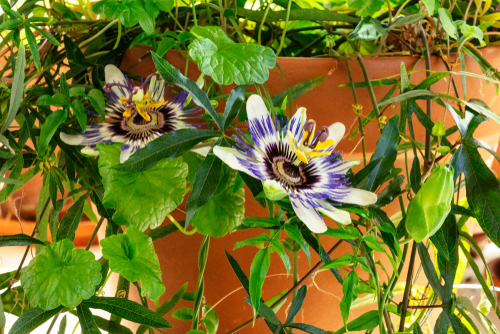
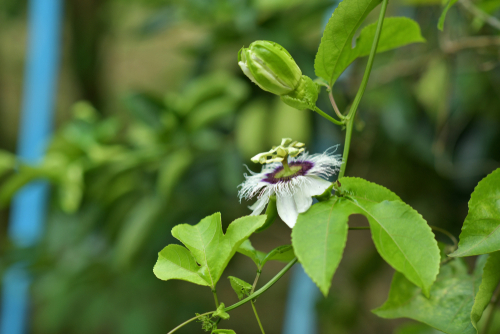
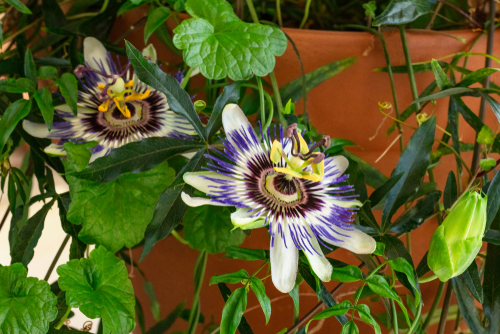
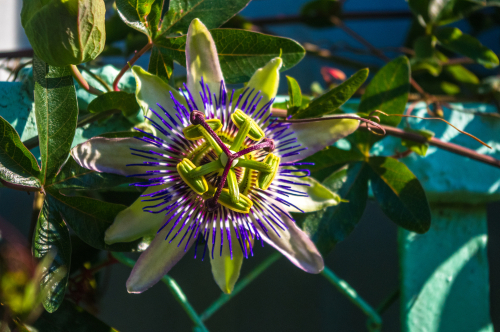
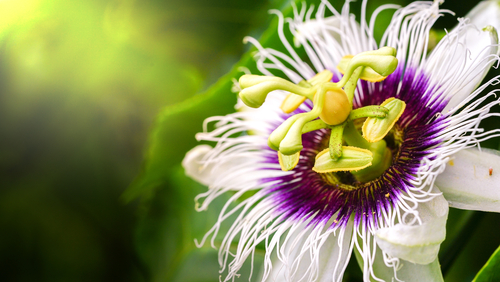
With over 500 species to their name, passion flowers (*Passiflora*) originally hail from the tropical regions of South and Central America. Because of those sunny roots, most of these beauties aren’t exactly built to handle a harsh winter outdoors. But don’t worry! With a little know-how, you can keep your passion flower thriving and blooming for years to come.
Most Passion Flowers Are Long-Term Garden Buddies
Out of the hundreds of passion flower species out there, only one is an annual. Most varieties can actually live for ten years or more, provided you give them the right care—especially during the chilly winter months. This is super important because many species won’t even start blooming until their second year. You definitely don’t want to lose them just as they’re getting started!
How to Overwinter Like a Pro
Unless you live in a mansion with 20-foot ceilings, you probably don’t have room to bring a massive, sprawling vine indoors for the winter. That’s why giving your passion flower a good pruning in the fall is key. Not only does this make the plant manageable, but it also encourages more flowers next year, since passion flowers only bloom on new, young growth. Once you’ve trimmed it back, move the pots to a cool but frost-free spot that gets plenty of natural light. Without enough light, these tropical plants can struggle to make it through to spring.
Hit the Brakes on Fertilizer
Another pro tip for winter prep is knowing when to stop fertilizing. Once the blooming season winds down, start scaling back on the plant food, and cut it out entirely by the end of September. While your passion flower craves nutrients during the summer to fuel all that growth and those gorgeous flowers, it needs a “dormancy” period in the winter to recharge its batteries for next year.
To recap, here’s your winter checklist for a happy passion flower:
- Prune it back in the fall.
- Find a bright, cool, frost-free spot indoors.
- No fertilizer during the cold months.