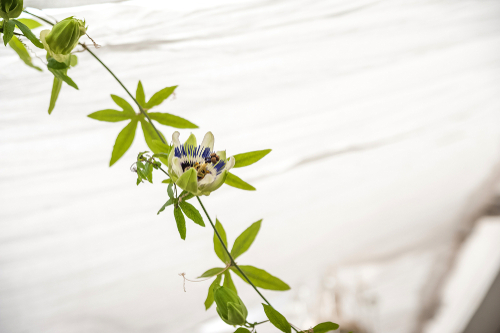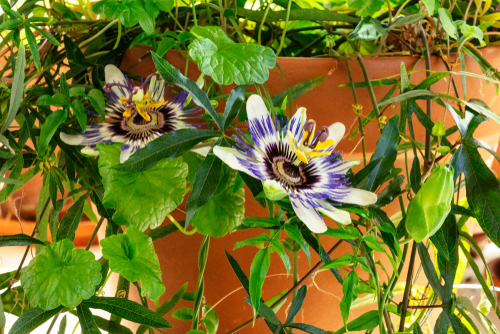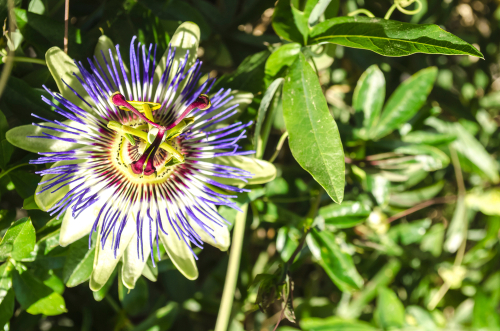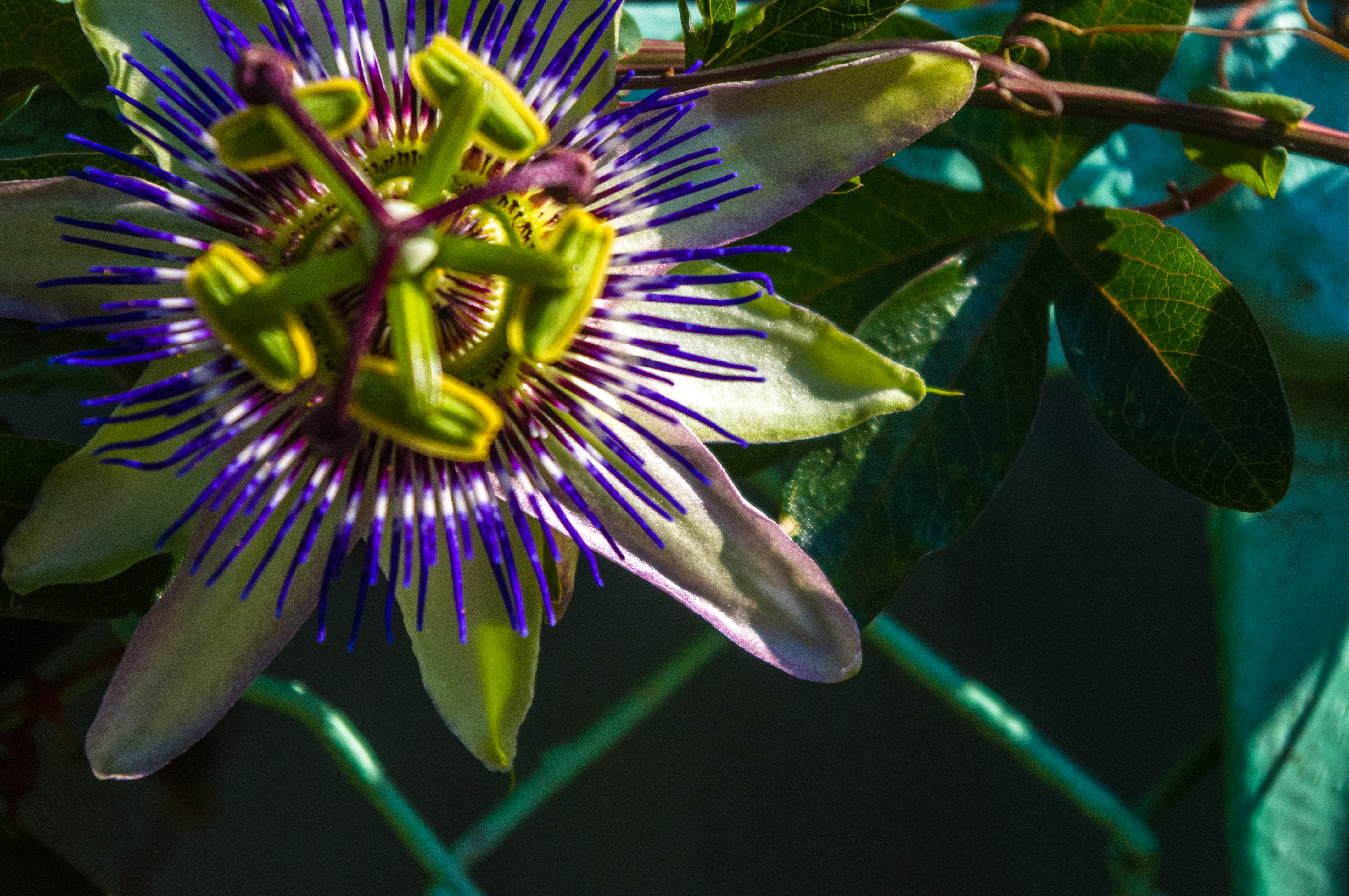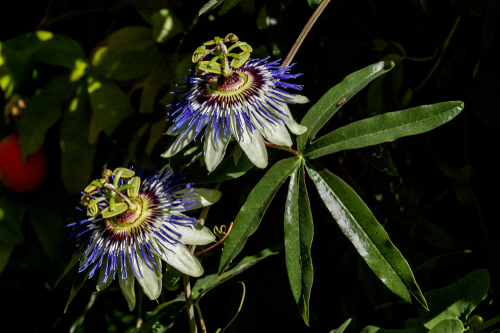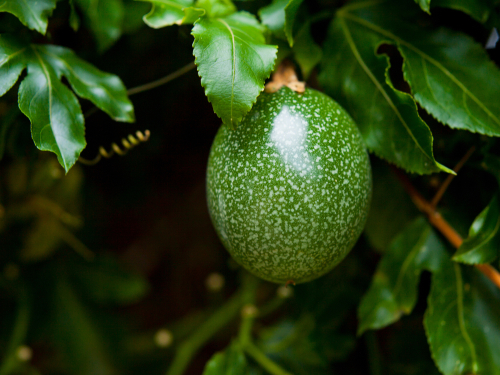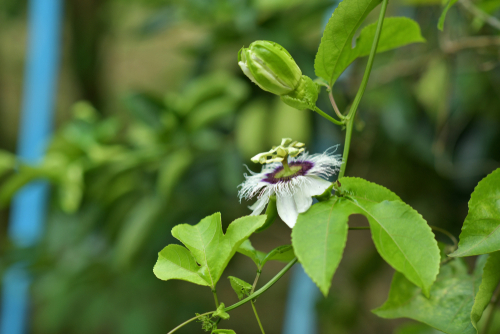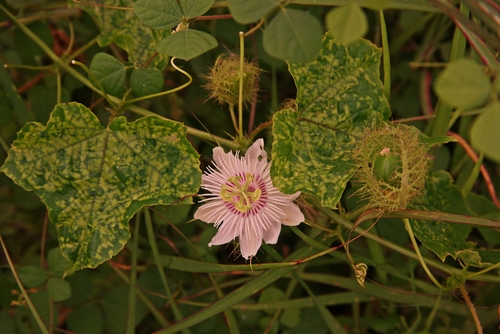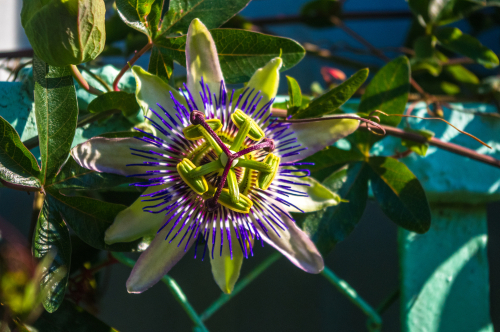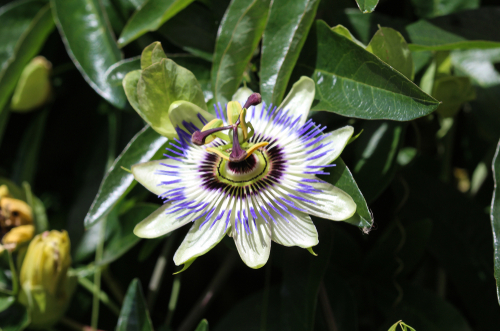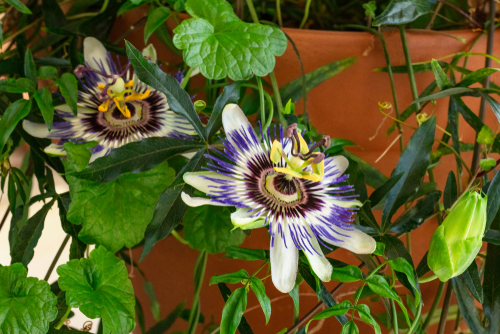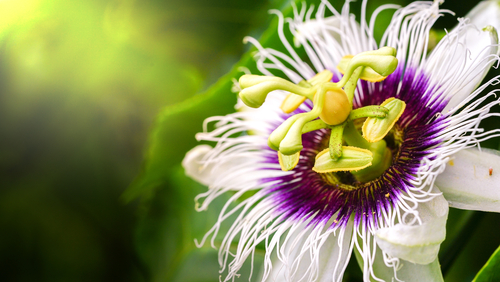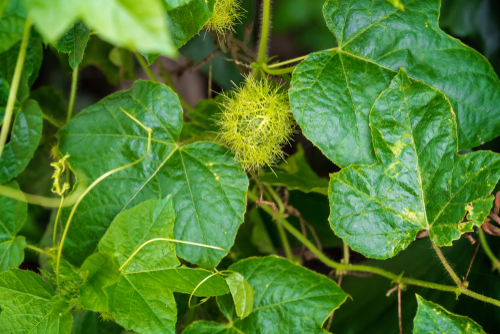
Passionflowers are vigorous climbers that tend to go a bit wild during the growing season. Because they grow so fast, giving them a good trim before bringing them indoors for the winter is a smart move. Plus, a little spring pruning is just what the doctor ordered to encourage those stunning, iconic blooms.
Why Pruning is a Must
There are a few reasons why you’ll want to keep your passionflower in check. First off, if you’re prepping the plant for winter, it has likely outgrown its space over the summer and might be too bulky to move inside. Another thing to keep in mind: the larger the plant, the more light it needs during the cold months. Most importantly, flowers only grow on new wood. If you want your passionflower to be covered in blooms later in the year, you need to encourage fresh, young growth by cutting back the old, woody stems.
Spring Pruning Tips
If you’re pruning in the spring, aim for early in the season—late February or March at the latest. You’ll want to cut the side shoots back to about 4 inches (10 cm). The main stem can stay a bit longer, around 6 to 8 inches (15-20 cm). Just a quick heads-up: check the plant before you start cutting to make sure it hasn’t already started forming buds!
The Fall Cut-Back
In my experience, it’s usually better to prune your passionflower in the fall. This allows the plant to rest properly during its winter dormancy, giving it a head start for a healthy spring. Pruning now also helps the plant grow back much thicker and bushier next year. The measurements are the same as in the spring: trim those side shoots to 4 inches and the main stem to about 8 inches.
Deadheading During the Season
Throughout the summer, try to remove spent flowers as soon as they fade. By “deadheading” the plant, you prevent it from wasting energy on producing fruit and seeds. Instead, the plant can channel all that power back into creating more gorgeous flowers.
Keep Your Tools Clean
No matter when or why you’re pruning, always use sharp, clean tools. Using a disinfected knife or garden shears significantly lowers the risk of your plant catching an infection or getting sick through the fresh cuts. Your plants will thank you!