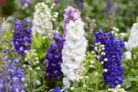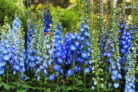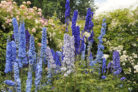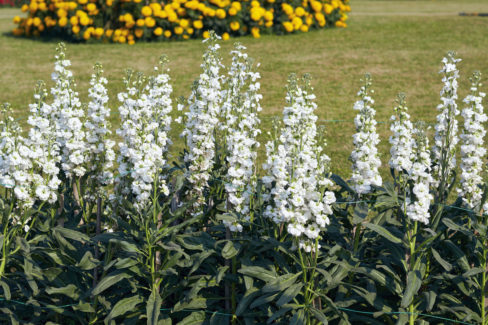
Delphinium (or Larkspur, as many of us call it) has been a staple in cottage gardens for centuries. It’s a total classic! One of the reasons gardeners love this plant so much is how incredibly hardy it is. Even if you live in a region with harsh, biting winters, this perennial usually doesn’t need much fussing over to make it through to spring.
How to Overwinter Delphinium in Your Garden
Getting your Delphinium ready for the cold months is actually pretty straightforward. You only need to follow a few simple steps.
- Cut back your Delphinium in the fall
- Apply a layer of mulch to the area
- Watch for new growth in the spring
The best time to prune is after the second bloom in late autumn. You’ll want to cut the plant back almost to ground level. After that, spread some mulch around the base—using compost rich in organic matter is a great move here. This provides all the winter protection a healthy plant needs. Your perennial Delphinium will then take its winter nap and sprout fresh new growth once spring rolls around.
If you happen to be growing an annual or biennial variety, hold off on the pruning until the plant has dropped its seeds. That way, it’ll self-sow, and you’ll have new babies popping up next season!
Overwintering Potted Delphinium
Since slugs and snails think Delphinium leaves are a five-star buffet, many of us prefer growing them in containers. If you’re keeping yours in a pot, you don’t need to do anything too crazy for winter, but the roots are a bit more exposed than they would be in the ground. When a hard frost hits, give the pot a little extra love by wrapping it in a burlap mat or an old blanket.
You can leave your potted plants outside; just try to tuck them into a sheltered spot, like against a brick wall or the side of the house. Don’t forget to cut these back as well so the plant can enter its dormant phase and save up energy for next year’s show.
Waking Your Delphinium Up in the Spring
Once the weather starts to turn, remove any protective wraps from your pots. It’s a good idea to start fertilizing gradually to give the plant the nutrients it needs to produce those stunning flower spikes. For the Delphiniums in your garden beds, you don’t really need to do anything at all. As the soil warms up, you’ll see those green shoots pushing through the dirt all on their own.