When it comes to low-maintenance plants, ferns are pretty much the gold standard. This laid-back attitude carries right into the colder months, too. For the most part, you don’t need to do much to help your ferns survive the winter, but there are a few specific situations where a little extra TLC goes a long way.
Is Your Fern a Local?
If you picked up your fern at a local garden center, chances are it’s a hardy variety that can handle a typical winter outdoors without breaking a sweat. However, out of the 17,000 fern species worldwide, only about 200 are native to Europe and similar temperate climates. Every now and then, you might fall in love with an exotic variety at the shop. If you go the exotic route, it’s best to keep them in a container. That way, you can easily move them into a cozy indoor spot once the frost starts to bite.
Evergreen vs. Deciduous Ferns
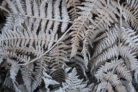
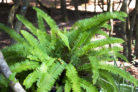
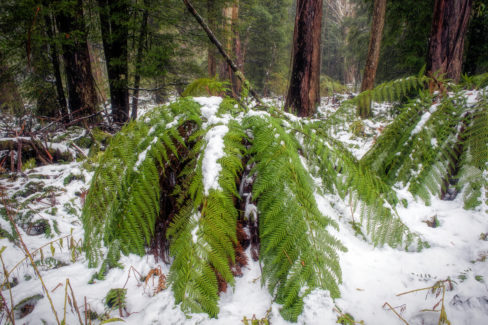
Knowing whether your fern is evergreen or deciduous makes a big difference for winter care. Evergreen ferns keep their fronds all year round, which sounds great, but it means they lack that natural “blanket” of dead foliage to protect them from freezing temperatures. On the other hand, deciduous (summer-green) ferns naturally die back, and those decaying fronds create a perfect insulation layer for the roots. If you don’t like the look of the brown fronds, you can speed things up with a quick pruning session in late fall, but leaving them be is actually great for the plant.
Protecting Surface Rhizomes
The one time you really need to roll up your sleeves is if you’re growing a fern with rhizomes that grow above ground. Since these aren’t tucked safely under the soil, they’re much more sensitive to the cold. If you’ve got one of these, here’s your game plan:
- Trim the fronds back by about half and gently tie them together.
- Wrap the main “trunk” or base with a straw mat for insulation.
- Finally, give the root area a thick mulch of brushwood, pine boughs, or fallen leaves.