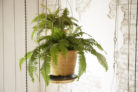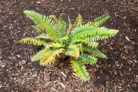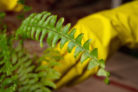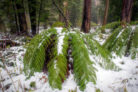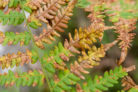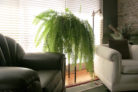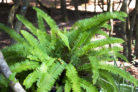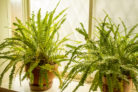
Out of the nearly 17,000 fern species found worldwide, only about 200 are native to Europe. Because of those tropical roots, most ferns won’t actually survive a winter in your backyard. However, many varieties make absolutely fantastic houseplants!
Popular Varieties
If you’re looking to add a potted fern to your indoor jungle, these are the most common types you’ll find at your local garden center:
- Boston Fern (Sword Fern)
- Rabbit’s Foot Fern
- Golden Polypody
- Button Fern
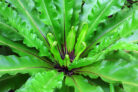
- Bird’s Nest Fern
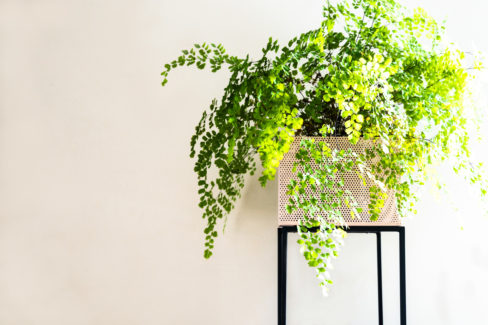
- Maidenhair Fern
- Staghorn Fern
A Little TLC Goes a Long Way
When ferns grow outdoors, they’re pretty low-maintenance—usually, they just need a bit of water and some fertilizer now and then. Indoors, however, they can be a bit more demanding. The first step to success is finding the perfect spot. Lighting is key here; if you put your pot in direct, harsh sunlight, those delicate fronds will quickly turn brown.
The Secret is Clay Pebbles
Besides lighting, moisture is the most important factor for a happy fern. If the soil gets too dry, you’ll end up with brown leaves. But be careful—they don’t like “wet feet” (standing water) either! A great pro tip is to use expanded clay pebbles (LECA) in your potting mix. They help regulate moisture, releasing it slowly to the plant as needed.
Watering and Feeding
When it comes to watering, consistency is way more important than volume. You want to keep the soil evenly moist, not soaked. The quality of your water matters, too—ferns are sensitive to lime and minerals. If you have hard tap water, it’s a good idea to filter it first. Finally, don’t forget to feed your fern. You can use standard liquid houseplant fertilizer mixed into your watering can, but here’s a tip: only use about half the dosage recommended on the bottle. Ferns prefer a lighter touch!