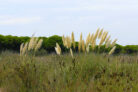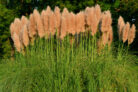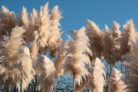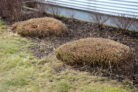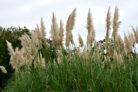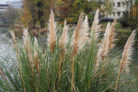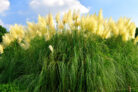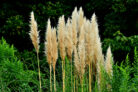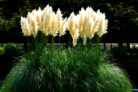
If you’re looking for a fast-growing privacy screen that actually looks stunning, Pampas grass is a fantastic choice. Those iconic, fluffy plumes are a total showstopper in any backyard. But what happens when your grass stays green and never produces those beautiful feathery blooms? It can be frustrating, but there are usually a few specific reasons why your Pampas grass is being shy.
Young Plants Need Time
One of the most common reasons for a lack of blooms is simply that your plant is still a “baby.” Pampas grass usually needs a few years to mature before it’s ready to start flowering. If you just planted yours recently, you might just need to practice a little patience. Keep taking good care of it, and those plumes will show up once the plant feels established enough.
Common Maintenance Mishaps
Proper care is everything when it comes to getting those flowers. While Pampas grass is pretty hardy and doesn’t need a ton of water, you can’t just let it bone-dry, either. On the flip side, because this grass grows so fast and gets so big, it’s a heavy feeder. It needs plenty of nutrients to fuel that growth. I recommend giving it a good helping of mature compost at least once a year. If you prefer, you can also use a liquid fertilizer specifically for ornamental grasses or toss in some horn meal to keep it well-fed and happy. Fertilizing correctly makes a world of difference!
Location, Location, Location
If your plant is old enough and well-fed but still isn’t blooming, it might be in the wrong spot. Remember, this plant hails from South America, so it’s a total sun-worshipper. It needs a warm, sunny location to thrive.
Another dealbreaker? Soggy feet. Pampas grass hates sitting in standing water. If the soil is too dense, you’ll end up with root rot, which will eventually kill the plant. Make sure your soil drains well—you can mix in some sand or fine gravel to loosen things up. Adding a layer of gravel at the bottom of the planting hole for drainage is also a pro move.
To recap, if your plumes are missing, it’s usually due to one of these culprits:
- The plant is still too young.
- It’s getting too much or too little water.
- It’s “hungry” and needs more nutrients.
- It’s in a spot that’s too shady or has poor drainage.