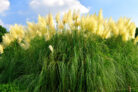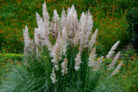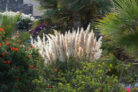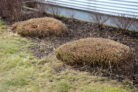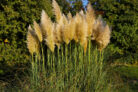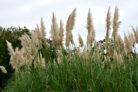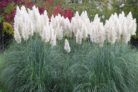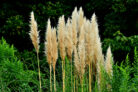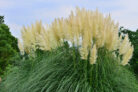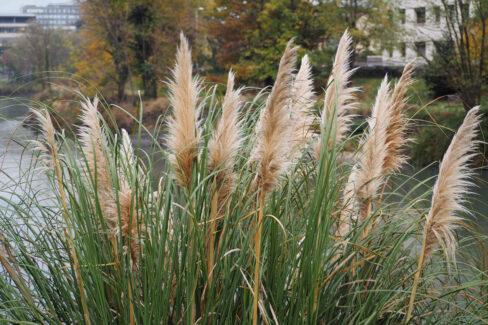
When you spot brown leaves on your garden or balcony plants, it’s usually time to panic. But with Pampas grass, things aren’t always what they seem. This ornamental showstopper can actually look totally dried out even when it’s perfectly healthy.
Pampas Grass Loves the Dry Life
Originally hailing from South America, Pampas grass is a tough cookie that can handle long dry spells without breaking a sweat. You really only need to grab the watering can when the top layer of soil around the base feels bone dry. If your grass is looking a bit parched, drowning it in water usually won’t help. In fact, overwatering is a recipe for disaster, as it leads to soggy soil and the dreaded root rot.
Fall Browning is Totally Normal
Here’s the thing: it’s completely natural for Pampas grass to start looking “dead” in the fall. Once the blooming season wraps up, the stalks and those iconic feathery plumes will naturally turn brown. Don’t worry—your grass is doing just fine! Resist the urge to give it a haircut right away. Instead, it’s much better to tie the stalks together. This creates a natural umbrella that protects the heart of the plant from too much winter rain and snow. You can save the big pruning job for next spring.
Is it a Care Issue?
It’s a different story if your grass starts turning brown during the spring or summer. If that happens, it’s usually a sign that something is off with its care routine. Here are the usual suspects:
- The plant actually isn’t getting enough water (rare, but possible).
- It’s getting too much water and is suffering from root rot.
- It’s hungry for more nutrients.
Because these plants are so hardy, they actually suffer from overwatering way more often than underwatering. However, keep in mind that Pampas grass is a fast grower—it can shoot up to six feet or more by summer! That kind of growth takes a lot of energy. If your grass is looking fried in the heat of summer, it might actually be a nutrient deficiency. In that case, you’ll want to step up your fertilizing game to get it back on track.