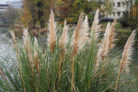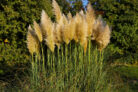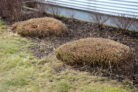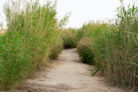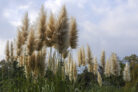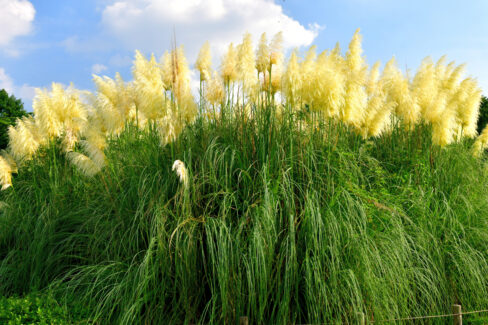
When we plant pampas grass in our backyards, we usually have one big goal in mind: creating a fast-growing, natural privacy screen along the property line. But sometimes, despite our best efforts, that impressive growth just doesn’t happen. If your pampas grass is looking a little stunted, there are usually a few common culprits to blame.
Is it getting enough light?
As the name suggests, pampas grass is native to the South American pampas—wide-open grasslands where trees are few and far between. Because of its roots, this ornamental grass is a total sun-worshipper and craves a massive amount of daily sunlight. If your grass isn’t taking off, it’s often because its location in your garden is just too shady. The good news? You can usually fix this by simply transplanting it to a sunnier spot.
Is it hungry for nutrients?
Besides soaking up the sun, pampas grass needs a lot of “fuel” to power its rapid growth. If it’s stalling out, it might just be hungry. Stepping up your fertilizing routine is often the secret to getting that growth spurt you’re looking for. I’m a big fan of using mature compost for this. Mix some into the soil when you first plant it, and then keep it happy with a fresh dose every two to three weeks. If you prefer something easier, a liquid fertilizer designed for ornamental grasses works great too—just mix it right into your watering can.
Are you getting the moisture right?
Watering can be a bit of a balancing act. Generally, pampas grass is pretty tough and can handle dry spells without breaking a sweat. The real enemy is actually too much water. If the soil stays soggy—especially after heavy rain—the plant can quickly develop root rot, which will definitely put the brakes on its growth. To keep the roots healthy, always make sure you have a solid drainage layer at the bottom of the planting hole. Some great options for this include:
- Pebbles or gravel
- Broken ceramic shards (terracotta)
- Expanded clay pellets