Thanks to international imports, we can find passion fruit in our grocery stores all year round. You won’t see them being grown commercially here in the States in cooler climates because they aren’t very frost-hardy. However, that doesn’t mean you can’t enjoy a homegrown harvest right in your own backyard!
When is passion fruit season?
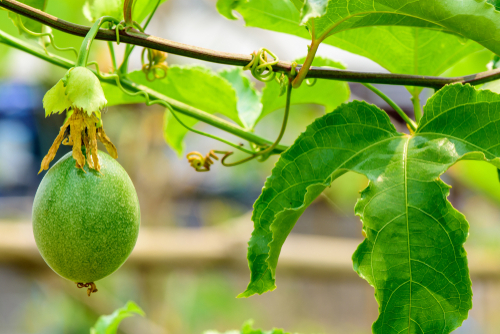
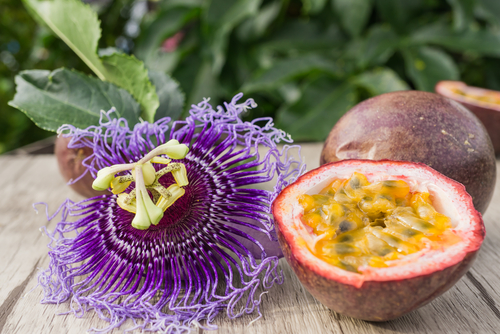
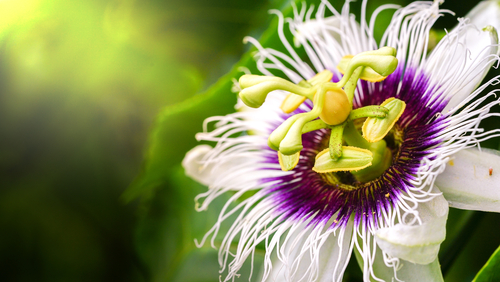
You can definitely plant your own passion fruit as long as you give it a cozy, protected spot to spend the winter. Because they’re a bit sensitive to the cold, I always recommend growing them in containers so you can move them indoors when the temperature drops. You’ll see those gorgeous, decorative flowers blooming from June through September, and about 70 days after that, you’ll have ripe fruit ready to pick. This means the typical harvest season kicks off in the fall and can last into early winter.
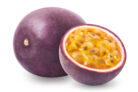
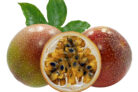
When it comes to eating them, the star of the show is that tangy pulp inside—and yes, you eat the seeds too! If you’re feeling adventurous and want to grow another vine after the season ends, save those seeds. While you can plant them directly, the best time to start your seedlings is in March. Just make sure to dry the seeds thoroughly before storing them for the spring.
Where does passion fruit come from during the off-season?
Most imports hit the shelves between June and February. Because passion fruit is grown in so many different regions now, you can pretty much find it year-round. It thrives in tropical climates, which is why most of our store-bought fruit comes from places like:
- Argentina
- Brazil
- Bolivia
- India
- Peru
- Thailand
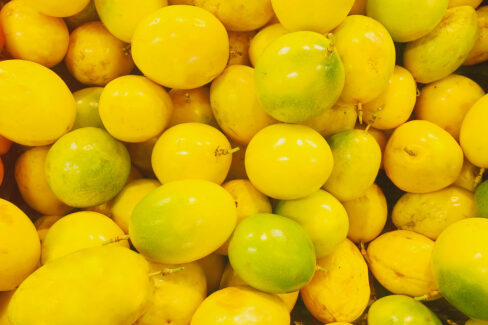
As a passion fruit ripens, the skin starts to dry out. You’ll know it’s getting good when the skin begins to wrinkle and the fruit feels a bit lighter. While they get sweeter as they ripen, don’t let them sit too long past their prime! If they go over-ripe, the pulp can start to smell fermented and lose that delicious flavor we love.