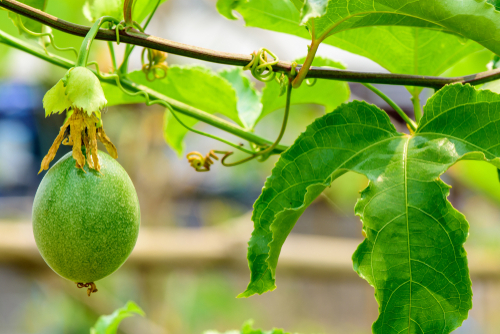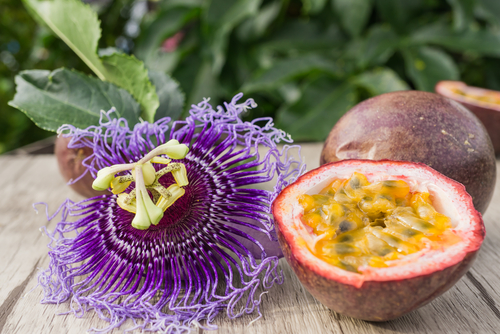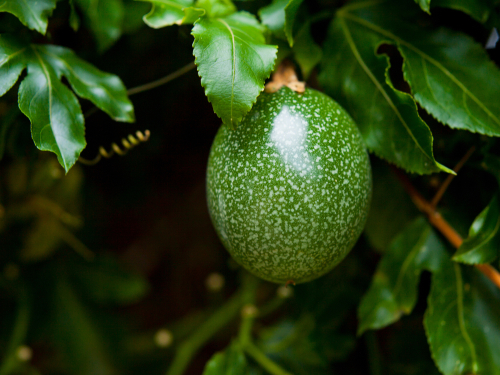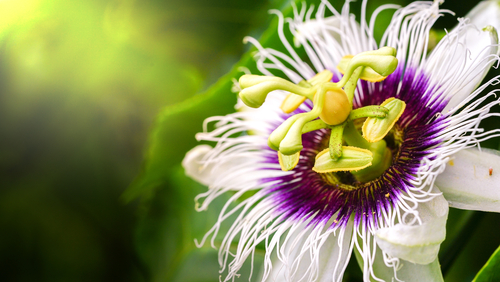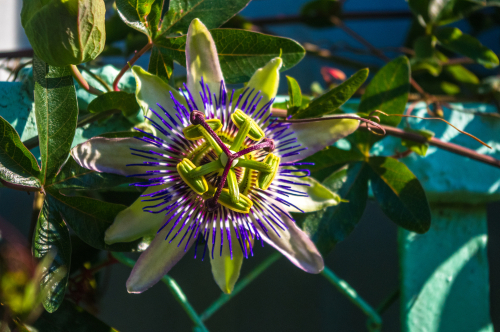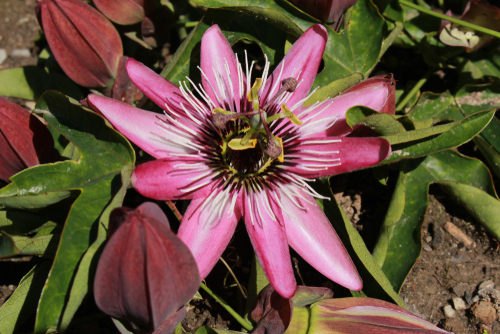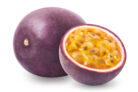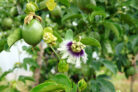
Did you know there are over 530 different species of passionfruit out there? While not all of them produce fruit you’d want to snack on, gardeners absolutely love planting them for their stunning, exotic-looking flowers. Interestingly, the name “passionflower” actually has a pretty deep history tied to the Passion of Christ.
What colors do passionfruit flowers come in?
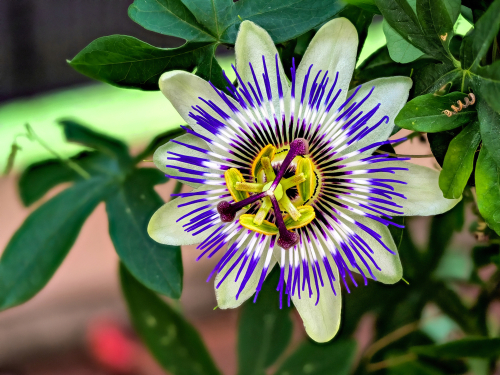
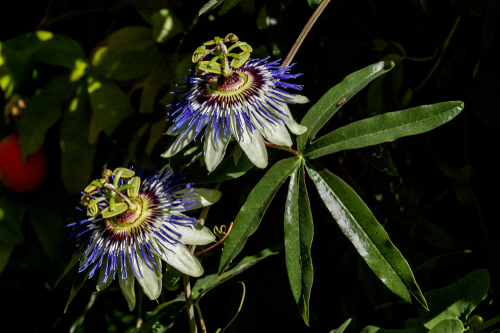
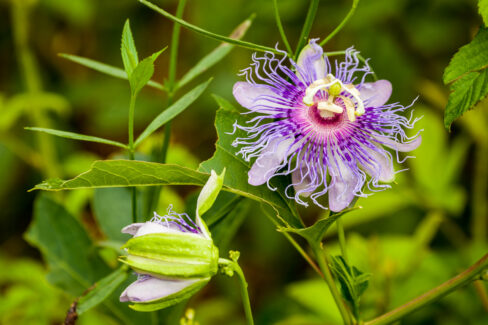
Because there are so many varieties, you can find these blooms in almost every color of the rainbow. They have a truly unique, almost otherworldly look that helps protect them from hungry pests, while their sweet scent acts like a magnet for pollinators. You’ll spot them in shades like:
- Pink
- Purple
- Blue
- Red
- Yellow
- Multicolored
When does passionfruit bloom?
In most temperate climates, you can expect to see these beauties blooming from around June through September. Once a flower blooms, the countdown is on—it takes about 70 days for the season to kick in and the ripe fruit to be ready. Usually, the fruit will just drop to the ground when it’s ready to eat. Pro tip: the riper it is, the sweeter that pulp becomes, so don’t wait too long to enjoy them!
Where did the name “Passionflower” come from?
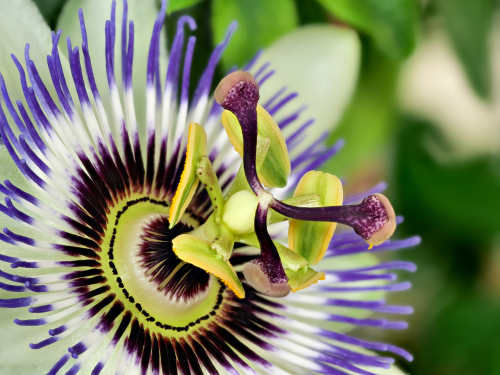
The name actually dates back to three missionaries in Latin America. They felt the shape and colors of the flower perfectly symbolized the suffering (the Passion) of Jesus. To them, the petals and sepals represented the ten faithful apostles, while the corona looked like the crown of thorns. The stamens were seen as the wounds, and the three styles symbolized the nails used in the crucifixion. That’s how this exotic plant got its soulful name.
How are the flowers used in natural medicine?
In the world of herbal remedies, passionflower leaves are a go-to for helping with things like restlessness, irritability, anxiety, and general tension. It’s known for its calming and antispasmodic effects, making it a great natural way to take the edge off. Most of the time, the species *Passiflora incarnata* is used for these purposes. You can find it dried or fresh for tea, and it’s often mixed with other soothing herbs like St. John’s Wort or lemon balm in store-bought supplements.