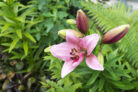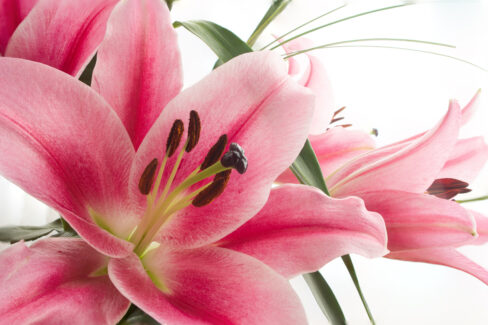
While lilies originally hail from the mountains of Turkey and the Caucasus, making them incredibly tough customers, they aren’t totally invincible. Even the heartiest plants can run into a few hiccups with pests or diseases now and then.
The Headache of Stem Rot
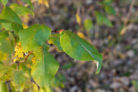
One of the most common issues you’ll face with lilies is stem rot. Usually, this is a sign of a “helicopter parent” gardener—it’s almost always caused by overwatering. It can also happen if your soil at the planting site doesn’t drain well. If you’re dealing with heavy clay, do yourself a favor and mix in some sand and mature compost when planting to loosen things up. You’ll know you have a fungal problem if those vibrant green leaves start turning a sad, murky brown.
Spotted Leaves: Botrytis Blight
Keep an eye out for *Botrytis elliptica*. This fungus shows up as round spots on the leaves that range from yellow to reddish-brown. If the weather stays damp and humid, these spots can spread fast. Once the fungus hits the stem, the whole plant can become brittle and snap.
The Dreaded Fusarium Wilt
Fusarium wilt is probably the scariest diagnosis for a lily lover. What makes it so tricky is that you can’t see it happening above ground. It attacks the bulb directly, hollowing it out from the inside. To make matters worse, the fungal spores can live in your soil for a long time, meaning they’ll likely infect any other lilies you try to grow in that spot.
Prevention is the Best Medicine
I’ll be honest with you: once these fungal diseases take hold, they’re really hard to cure. That’s why being proactive with your lily care is the secret to a beautiful garden. Here are my top tips for keeping your lilies healthy from the start:
- Stick with hardy, disease-resistant varieties.
- Only buy healthy-looking bulbs and plants from reputable sources.
- Be gentle! Try to avoid nicking or wounding the plants during garden chores.
- Make sure your soil has excellent drainage.
- Don’t go overboard with the fertilizer.
- Always disinfect your pruning shears before moving from one plant to the next.