To get a bumper crop of juicy pears, you first need a tree full of blossoms. If your pear tree is looking a little green but lacks those beautiful white flowers, it can be pretty frustrating. Let’s dig into why your tree might be shy about blooming and how you can fix it.
When do the blossoms actually form?
Believe it or not, your pear tree starts prepping for next spring as early as June! That’s when the tree begins developing the flower buds for the following year. Because of this, mid-summer is a critical time for “TLC.” If the summer is dry, make sure you’re watering—about 2.5 gallons (10 liters) per tree once a week should do the trick. It’s also a great time for a fertilizer boost rich in phosphorus and potassium, which are the two big players in flower production.
Common reasons for few or no blossoms:
- The tree is still too young
- Poor location
- Planting mistakes
- Maintenance mishaps
- Pest problems
The tree is still too young
If you’re shopping for a new tree, definitely ask how it was grown. A tree grown from a seed usually won’t bloom for 6 to 10 years. However, if you buy a grafted tree, you can usually expect your first harvest in about 5 to 6 years, depending on the variety. Sometimes, you just have to be patient!
Location, location, location
Pears love the warmth. Since they bloom fairly early (around April), a late night frost can easily zap the blossoms. Planting your tree near a south-facing wall can provide a little extra protection. As for the soil, pears prefer it well-draining, rich in organic matter, and full of nutrients. Pro tip: Keep the area directly under the tree free of weeds. A thin layer of grass mulch helps keep weeds at bay while boosting soil health and encouraging blooms.
Planting mistakes
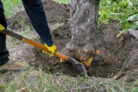
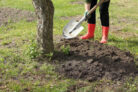
When planting , make sure the hole is plenty big and toss in some high-quality compost. As you fill the hole back in, make sure the soil settles well between the roots so there aren’t any air pockets.
If you have a grafted tree, pay close attention to the graft union —that’s the bumpy “knot” near the base of the trunk. This spot must stay above the soil line. If you bury the graft union, the tree might focus on growth rather than producing flowers.
Maintenance mishaps
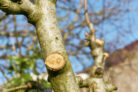
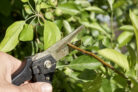
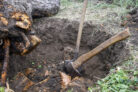
Keep your young tree consistently moist right after planting so it can establish a strong root system. Many of the tiny feeder roots are only about 4 inches below the surface, so avoid any deep digging or heavy tilling directly under the canopy. Regular pruning is also key. Thinning out the inner branches once a year lets light in and encourages the tree to put its energy into flower buds.
Pest problems
The pear bud weevil is a notorious pest that can ruin your harvest before it even starts. These little beetles pierce the buds, causing them to either stay closed or turn out hollow inside.
Quick Tip: If you suspect these weevils are the culprit, try shaking the tree during their peak activity in October. Catch the falling insects on a tarp and dispose of them to protect next year’s bloom.