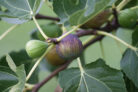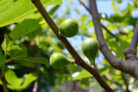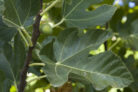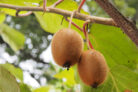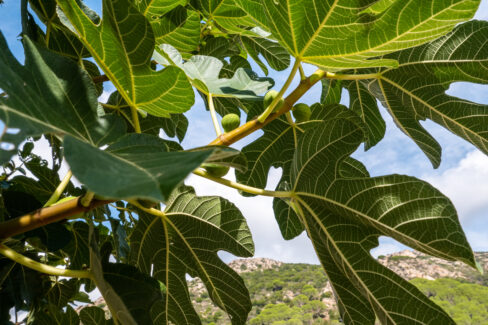
Fig trees are actually pretty low-maintenance little trees that usually start producing fruit pretty quickly. However, there are a few reasons why your fig might be holding back on its harvest. The good news? Most of these issues are super easy to fix!
Boost Your Harvest with a Little Company
If you’re looking to plant a fig tree, the first thing you need to check is that the variety is self-fruiting (self-fertile). In nature, figs have a pretty wild pollination system involving male and female flowers and a specific tiny wasp. Since those wasps don’t live in cooler climates, only self-fruiting varieties will actually give you a harvest here.
Here’s a pro tip: even though these varieties are “self-fruiting,” studies show they produce way more fruit when they have a neighbor. It’s like they get a little extra motivation when there are other fig trees nearby!
Feeding and Watering Your Figs
Figs love nutrient-rich soil that stays moderately moist, but be careful not to overdo it. If you give them too much fertilizer, the tree gets “lazy” and focuses on leaves instead of fruit. Whether your fig is in a pot or in the ground, give it a break from the fertilizer from October through February.
For trees in the ground, a slow-release fertilizer in the spring is perfect, followed by a liquid feed about every three weeks once the blossoms appear. If you’re growing in containers, you’ll want to repot them into fresh, nutrient-rich soil every spring. Potted figs are hungrier than their garden cousins, so start that three-week fertilizing schedule right after repotting.
Frost Damage and Pruning Mistakes
After a particularly brutal winter, you might notice your tree looking a bit sluggish. Since figs grow their fruit on “old wood” (branches from previous years), a bad frost can kill off those fruiting sites. To keep your harvest safe, make sure to protect young plants from heavy freezes during their first few years.
Pruning can also be a culprit for a small harvest. Try to avoid cutting back into the old wood. If you want a bushier look, just trim the tips of the one-year-old shoots. This keeps the tree shapely without sacrificing your fruit.
Dealing with Pests
Sometimes, unwanted guests are the reason your figs are dropping early. A relatively new pest to watch out for is the Spotted Wing Drosophila (a type of fruit fly). These pests cause the fruit to develop brown spots and fall off before they’re even ripe. While there aren’t many sprays for them yet, encouraging natural predators like gall wasps in your garden is a great organic way to keep them in check.