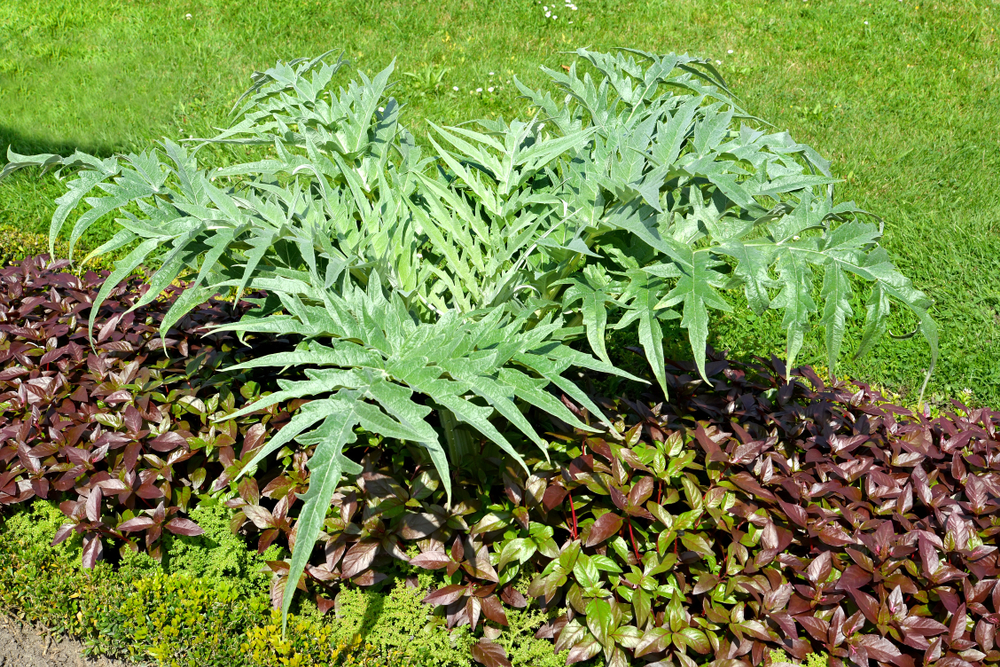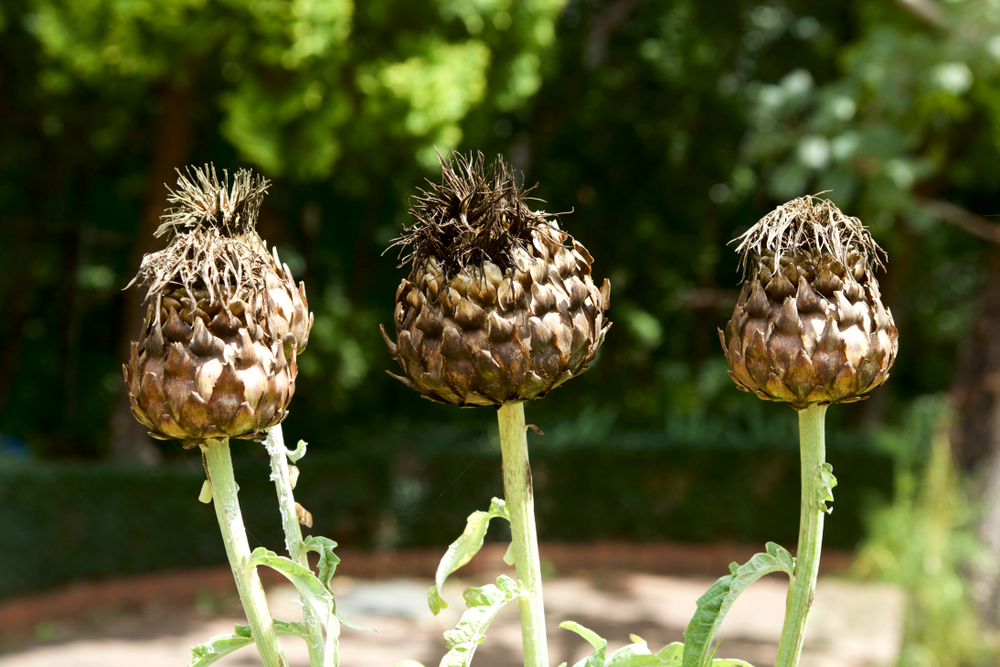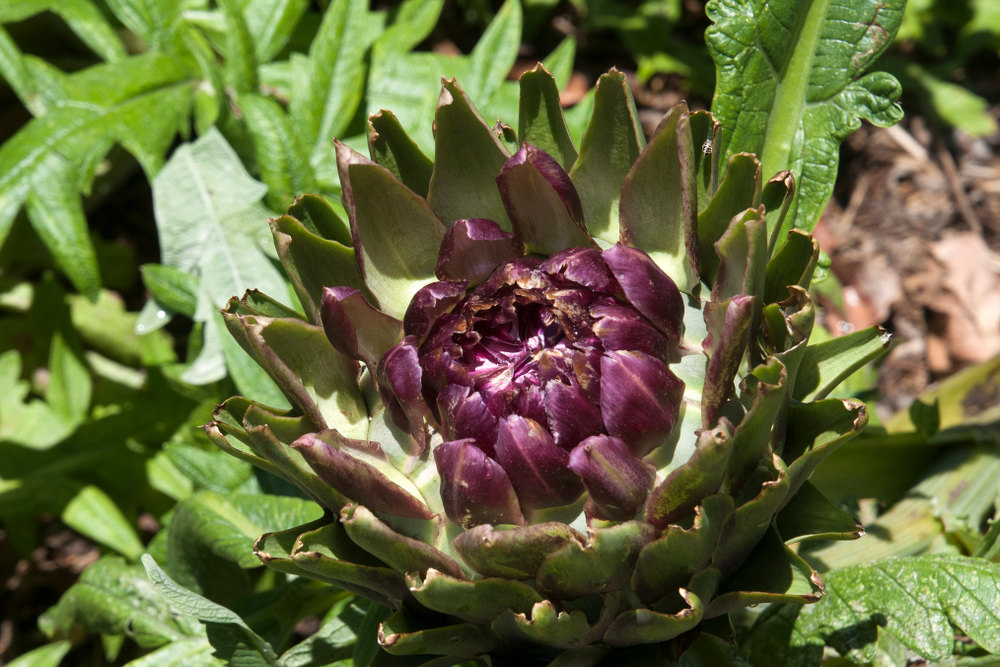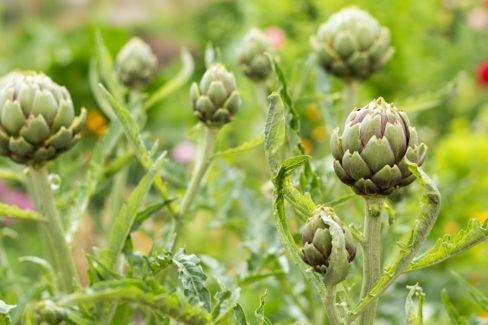
Artichokes originally hail from sunny, warm spots like the Mediterranean, so they’re big fans of soaking up the sun and staying cozy. In those climates, they’re reliable perennials. But what about those of us gardening in slightly chillier regions?
A Perennial Flowering Veggie (If the Vibes are Right)
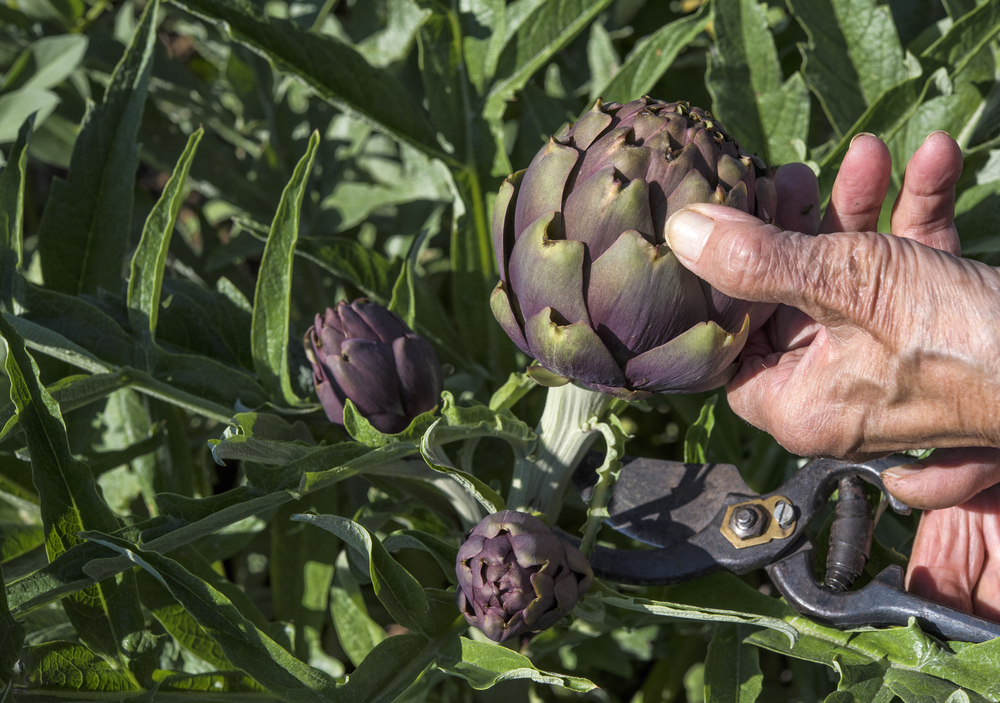
Believe it or not, you can actually grow artichokes as perennials even in cooler climates! Under the right conditions, these plants can live for up to five years. Once or twice a year, they’ll send up those tall flower stalks—and since we’re really just eating the immature flower bud, they’re often called “flowering vegetables.”
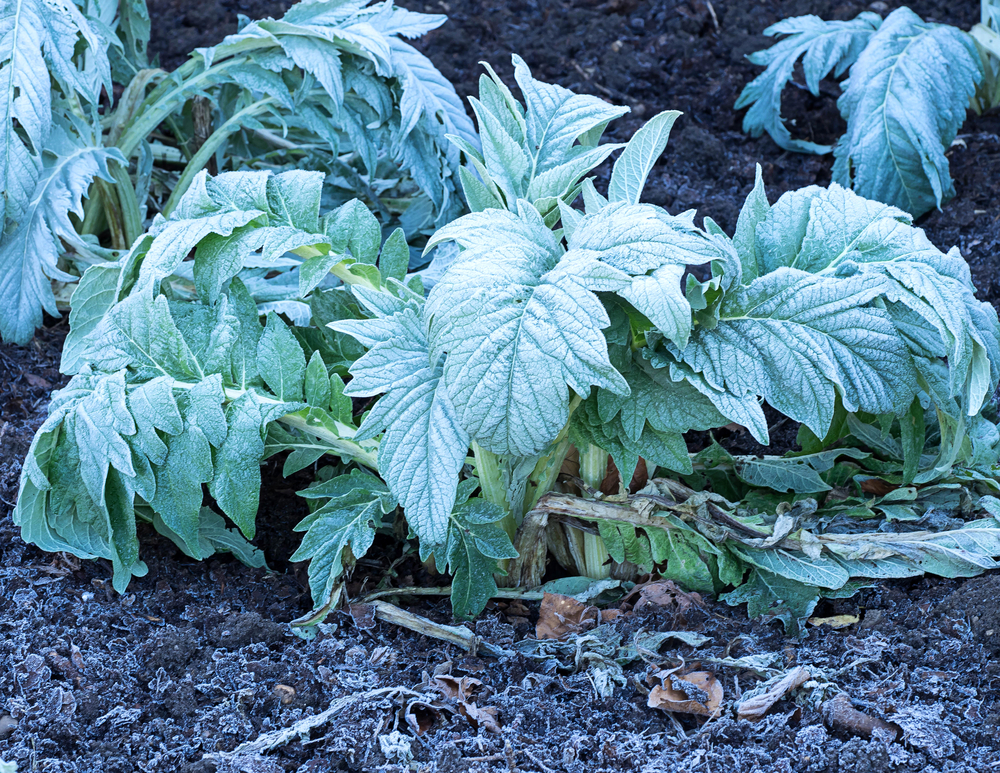
Of course, “perennial” only works if your plant actually survives the winter. Since many varieties (especially the ones you grow from seed) aren’t naturally frost-hardy, they’re going to need a little extra TLC. Because of their warm-weather roots, they can’t handle a hard freeze on their own and won’t make it through the winter without some protection.
How to Prep Your Artichokes for Winter
You’ll want to get your winter protection game plan ready before the first frost hits. Start by clearing away any dried-out leaves or old flower stalks. Next, give the plant a good haircut: use a sharp pair of garden shears to cut all the leaves down to about two inches above the soil line.
Now, it’s time to tuck them in with a “winter blanket.” Create a mix of sand, straw, leaves, and a bit of manure, and pile it over the plant. You want this layer to be at least 8 inches thick. For the finishing touch, top it off with some evergreen brush or twigs. This setup should help your artichokes breeze through a tough winter so they can bloom again next year.
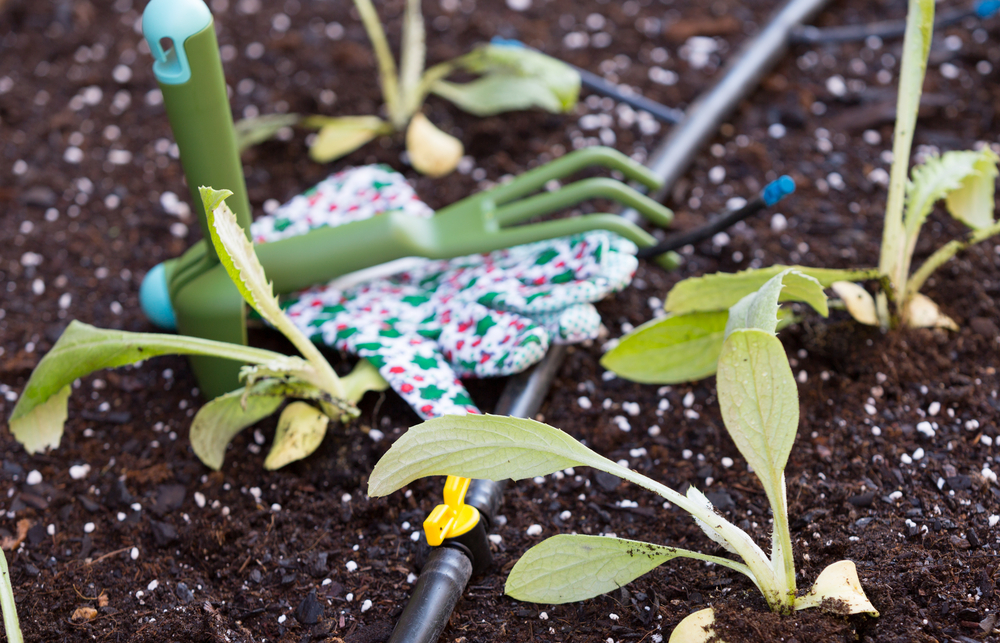
If you’re expecting a truly brutal winter, you can play it safe by digging the plant up entirely. Pop the artichoke into a pot with good drainage and fill it with sand. Keep it somewhere cool—around 60°F is perfect—throughout the winter. Just remember to give it a little water every now and then so the roots don’t dry out. Once spring rolls around, you’re all set to replant them back in the garden!