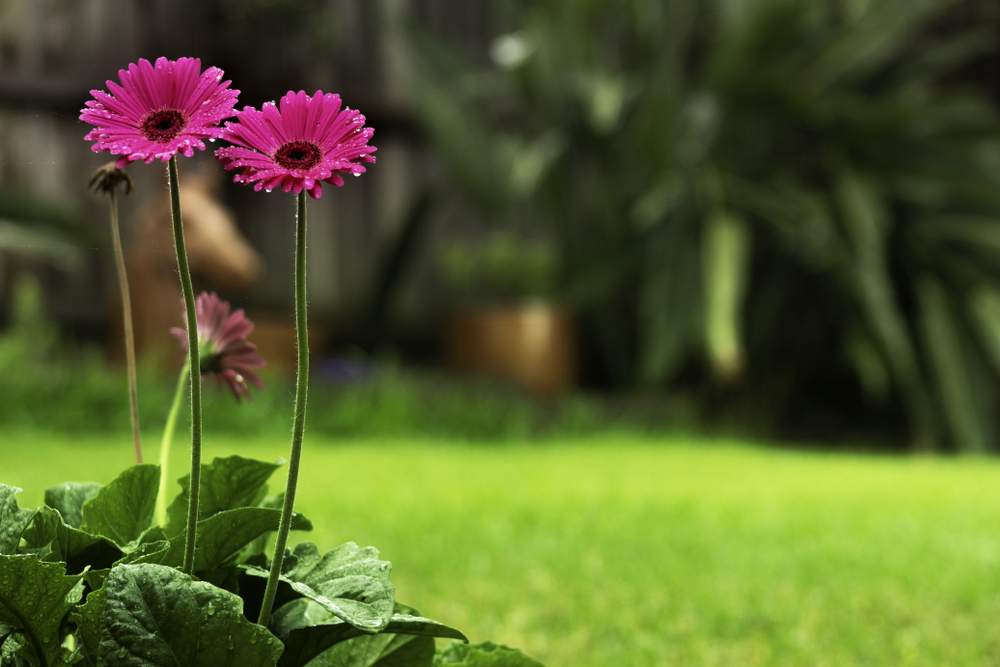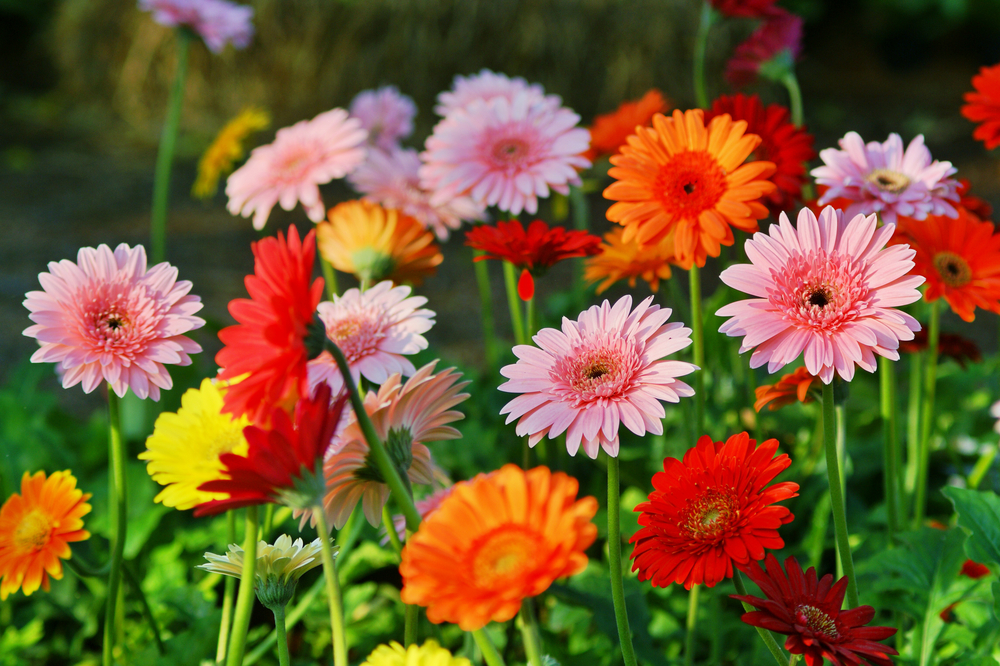
As a tropical native, the Gerbera daisy isn’t exactly built for chilly northern winters. In fact, out of about thirty different species, only one can truly handle the frost. But don’t worry! You can still enjoy these vibrant beauties as perennials if you give them a little TLC during the off-season.
Time for a Winter Break
If you’ve been growing your Gerberas outdoors in the garden, you’ll need to prep their move inside once fall hits. Aim to do this between September and early October at the latest. When you’re ready, carefully dig up the root balls—be generous so you don’t damage them—and settle them into a good-sized pot with plenty of fresh soil.
Finding the Perfect Spot
The next step is all about location, location, location. To keep your plants happy until spring, look for a spot that meets these criteria:
- Lots of bright, natural light
- Temperatures between 55°F and 60°F (12°C to 15°C)
- Moderate humidity (avoid bone-dry air)
This applies whether you’re bringing them in from the garden or if they’ve spent the summer in pots on your balcony. To let the plants get the rest they need, stop fertilizing them entirely and cut back your watering to just once a month.
Heading Back Outdoors
You can wrap up the winter hibernation in May. Start by placing the pots outside during the day and bringing them back in at night to acclimate. Once the threat of night frost has passed—usually by late May—you can safely transplant them back into their favorite spot in your garden beds.
The Hardy Exception
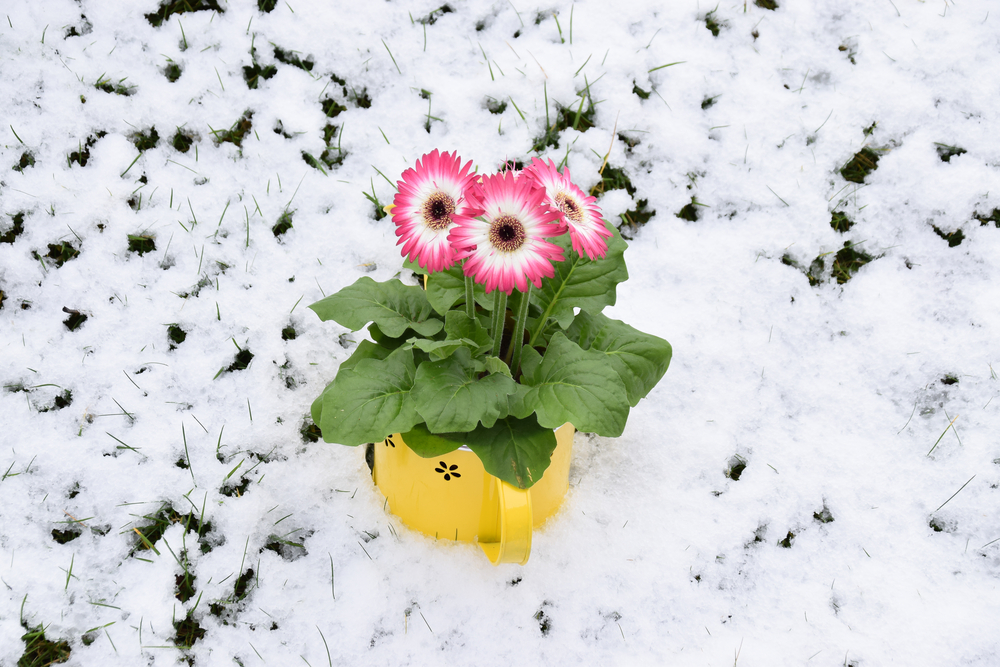
If you have a “Garvinea” Gerbera, you’re in luck—this is the only variety that’s actually winter-hardy. These tough cookies can stay outside even when it gets cold, handling temperatures down to about 23°F (-5°C). Just a quick tip: don’t prune the stems or flowers unless they’ve completely faded. Before the first hard frost hits, tuck them in with a layer of straw for insulation. This little extra blanket helps them survive even the nastier cold snaps!